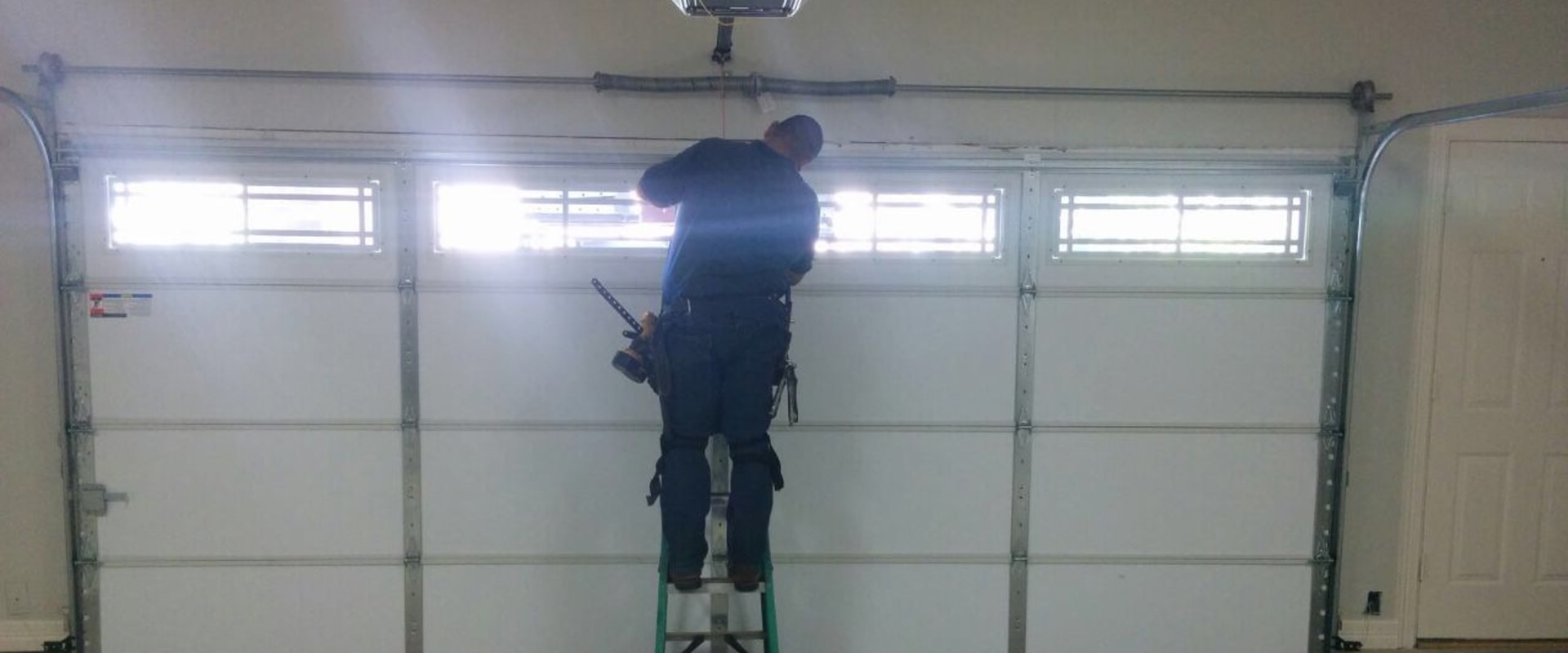
Understanding the intricacies of garage door systems is essential for any homeowner looking to maintain or repair their garage door effectively. Garage doors are not just simple barriers; they are complex systems composed of various components that work together to ensure smooth operation. From the type of door you choose to the individual parts that make it function, each element plays a crucial role in the overall performance and longevity of your garage door. There are several types of garage doors available on the market today, each with its unique features and benefits. The most common types include sectional doors , which consist of multiple panels that slide up and overhead; roll-up doors , which are typically used in commercial settings; swing-out doors , which open like traditional doors; and tilt-up doors , which swing out and then up into the garage.
Understanding these types can help you make informed decisions about repairs and replacements. In addition to the types of doors, it’s important to familiarize yourself with the key components that make up a garage door system. These include springs , which counterbalance the weight of the door; tracks , which guide the door as it opens and closes; rollers , which facilitate smooth movement along the tracks; and sensors , which ensure safety by detecting obstacles in the door's path. Each component must be in good working order for the entire system to function properly, making it vital to understand how they interact. This foundational knowledge not only prepares you for potential repairs but also empowers you to recognize when professional assistance is needed. By grasping the complexities of your garage door system, you can take proactive steps to maintain its functionality and address issues before they escalate into more significant problems.
The Importance of Regular Garage Door Maintenance
Regular maintenance of your garage door is not just a good practice; it is essential for ensuring its longevity and functionality.By investing time and effort into routine checks and upkeep, homeowners can significantly reduce the likelihood of encountering major issues that require costly repairs.
Benefits of Regular Garage Door Maintenance
- Increased Lifespan: Just like any mechanical system, a garage door benefits from regular care. Proper maintenance can extend its lifespan, allowing you to enjoy its functionality for many years without the need for premature replacements.
- Enhanced Safety: A well-maintained garage door operates smoothly and safely. Regular checks can help identify potential hazards, such as frayed cables or malfunctioning sensors, which could pose risks to you and your family.
- Cost Savings: By addressing minor issues before they escalate into major problems, you can save a significant amount of money on repairs. Regular maintenance helps catch wear and tear early, preventing expensive emergency repairs down the line.
- Improved Performance: A garage door that receives regular attention will operate more efficiently.
This means smoother opening and closing, reduced noise levels, and less strain on the door’s components.
Essential Maintenance Tasks
To keep your garage door in optimal condition, consider incorporating the following maintenance tasks into your routine:
- Inspect Springs and Cables: Regularly check the springs and cables for signs of wear or damage. If you notice any fraying or rust, it may be time to replace them to avoid a sudden failure.
- Lubricate Moving Parts: Apply a silicone-based lubricant to all moving parts, including rollers, hinges, and tracks. This will ensure smooth operation and reduce friction that can lead to wear.
- Test Safety Features: Ensure that safety features such as auto-reverse mechanisms are functioning correctly. Test these features regularly to confirm they respond appropriately when an object is detected in the door's path.
- Tighten Hardware: Periodically check all bolts and screws to ensure they are tight.
Loose hardware can lead to misalignment and operational issues.
Common Garage Door Issues and Repairs
Garage doors are essential components of our homes, providing security and convenience. However, they can encounter various issues over time. Understanding these common problems and their solutions can empower homeowners to tackle repairs effectively.1.Broken Springs
One of the most prevalent issues is broken springs.These springs bear the weight of the garage door, making it easier to open and close. Over time, they can wear out due to constant tension and stress.
- Symptoms: If your garage door won’t open or closes very slowly, or if you hear a loud bang when operating it, a broken spring may be the culprit.
- Repair Steps:
- Disconnect the opener by pulling the emergency release cord.
- Carefully lift the door to a halfway position and secure it with clamps.
- Remove the old spring using appropriate tools, ensuring safety precautions are followed.
- Install the new spring by following the manufacturer’s instructions, ensuring it is properly tensioned.
2.Malfunctioning Openers
Garage door openers can also fail due to various reasons such as electrical issues or mechanical failures. A malfunctioning opener can prevent your garage door from operating smoothly.- Symptoms: If your garage door doesn’t respond to remote commands or opens and closes erratically, it may indicate an issue with the opener.
- Troubleshooting Steps:
- Check the power supply to ensure the opener is plugged in and functioning.
- Inspect the remote batteries and replace them if necessary.
- Examine the safety sensors for alignment; they should face each other without obstruction.
- If problems persist, consult a professional for further diagnosis and repair.
3.Misaligned Tracks
Another common issue is misaligned tracks, which can cause the garage door to bind or jam during operation. This misalignment can occur due to wear and tear or accidental impacts.- Symptoms: If your garage door makes grinding noises or doesn’t open smoothly, check for track alignment.
- Repair Steps:
- Inspect the tracks for any visible bends or obstructions.
- Use a level to check alignment; adjust as necessary by loosening track brackets and repositioning them.
- Tighten all screws and bolts once alignment is achieved to ensure stability.
Regular maintenance checks can also help prevent these problems from arising in the first place.
Broken Springs: Identification and Repair Techniques
Broken springs are one of the most prevalent issues faced by homeowners when it comes to garage door repairs. These springs play a crucial role in the operation of your garage door, as they are responsible for counterbalancing the weight of the door, making it easier to open and close. Understanding how to identify spring problems and knowing the proper techniques for repair can save you time, money, and potential injury.Identifying Broken Garage Door Springs
- Visual Inspection: Start by visually inspecting the springs. Look for any signs of wear, such as rust, gaps, or deformation.
A broken spring may appear stretched or have a noticeable gap where it has snapped.
- Door Movement: If your garage door is not opening or closing smoothly, or if it seems unusually heavy, this could indicate a spring issue. Listen for any unusual noises like loud bangs or creaks when operating the door.
- Uneven Door Alignment: A garage door that is misaligned or hangs unevenly may be a sign of a broken spring. Check to see if one side of the door is higher than the other when closed.
Repair Techniques for Broken Springs
Repairing broken garage door springs can be dangerous due to the high tension they are under. It is often recommended to hire a professional; however, if you choose to tackle this repair yourself, follow these guidelines:
- Gather Necessary Tools: You will need safety goggles, gloves, a winding bar, and a socket wrench.
Ensure you have replacement springs that match your existing ones in size and type.
- Release Tension: Before attempting any repairs, disconnect the garage door opener and manually lift the door to relieve tension on the springs. Use caution as the springs can still hold significant force.
- Remove Old Springs: Carefully unhook the old springs from their brackets. If they are torsion springs, use winding bars to unwind them slowly before removal.
- Install New Springs: Attach the new springs in reverse order of removal. Ensure they are securely fastened and properly aligned with the brackets.
- Test Functionality: Once installed, test the garage door by opening and closing it several times to ensure smooth operation.
Watch for any signs of imbalance or unusual noises.
Safety Precautions
When dealing with garage door springs, safety should always be your top priority. Here are some essential precautions:
- Wear protective gear: Always wear safety goggles and gloves to protect yourself from potential injuries.
- Avoid DIY if unsure: If you are not confident in your ability to safely replace springs, it’s best to call a professional.
- Keep children and pets away: Ensure that children and pets are at a safe distance while you work on your garage door.
Malfunctioning Openers: Troubleshooting and Solutions
Garage door openers are essential components that provide convenience and security to your home. However, they can encounter various issues that may hinder their performance. Understanding common problems and how to troubleshoot them can save you time and money.Common Garage Door Opener Issues
- Misalignment: One of the most frequent issues is misalignment of the opener or its sensors.
This can prevent the door from opening or closing properly.
- Motor Failures: The motor is the heart of the garage door opener. If it fails, the door may not respond at all.
- Remote Control Problems: Sometimes, the issue lies with the remote control, which may need new batteries or reprogramming.
- Worn Gears: Over time, the gears within the opener can wear out, leading to operational failures.
Troubleshooting Steps
If you experience issues with your garage door opener, follow these troubleshooting steps:- Check Power Supply: Ensure that the opener is plugged in and that there is power to the outlet. If necessary, reset any tripped circuit breakers.
- Inspect Sensors: Look for any obstructions in the path of the sensors. Clean them gently with a soft cloth to remove dust or debris.
- Test Remote Control: Replace the batteries in your remote control and try operating the door again.
If it still doesn’t work, consider reprogramming it according to the manufacturer’s instructions.
- Examine Tracks and Rollers: Check for any bends or obstructions in the tracks. Ensure that rollers are lubricated and functioning smoothly.
Solutions for Common Problems
If troubleshooting does not resolve the issue, consider these solutions:- Realign Sensors: If misalignment is detected, adjust the sensors until they are facing each other directly. You may need a level to ensure accuracy.
- Replace Worn Parts: For issues related to worn gears or other components, consult your owner’s manual for replacement parts specific to your model.
- Professional Assistance: If you’re unable to resolve the problem on your own, it’s wise to contact a professional technician who specializes in garage door openers. They can diagnose and fix complex issues safely.
However, don’t hesitate to seek professional help when needed to ensure your garage door operates smoothly and safely.
Preventative Measures to Avoid Garage Door Repairs
Preventing garage door issues is essential for maintaining the functionality and safety of your home. By implementing a few simple maintenance practices, you can significantly reduce the likelihood of encountering costly repairs. Here are some effective strategies to keep your garage door in optimal condition:- Regular Inspections: Schedule routine inspections of your garage door at least twice a year. During these inspections, check for signs of wear and tear, such as frayed cables, rusted hardware, or misaligned tracks.
Early detection of these issues can prevent more severe problems down the line.
- Lubrication: Keeping the moving parts of your garage door well-lubricated is crucial for smooth operation. Use a high-quality lubricant specifically designed for garage doors and apply it to the rollers, hinges, and tracks at least once a year. This will help reduce friction and wear, extending the lifespan of your door.
- Weatherstripping Maintenance: Inspect the weatherstripping around your garage door regularly. This component not only helps insulate your garage but also prevents moisture and debris from entering.
If you notice any cracks or gaps, replace the weatherstripping to maintain energy efficiency and protect against water damage.
- Balance Check: A properly balanced garage door is essential for its longevity. To check the balance, disconnect the opener by pulling the release cord and manually lift the door halfway. If it stays in place, it’s balanced; if it falls or rises, it may need adjustment. An unbalanced door can strain the opener and lead to premature wear.
- Sensor Alignment: Ensure that the safety sensors located at the bottom of your garage door are aligned correctly.
These sensors prevent the door from closing on objects or people. If they are misaligned or dirty, they may not function properly, leading to safety hazards.
When to Call a Professional for Garage Door Repairs
While many garage door issues can be resolved with a bit of DIY effort, there are certain situations where calling in a professional is not just advisable, but necessary. Understanding when to seek expert help can save you time, money, and potential injury.Here are some key indicators that it’s time to hire a professional for your garage door repair.
Signs You Need Professional Help
- Broken Springs: If you notice that your garage door is not opening or closing properly, and you suspect a broken spring, it’s crucial to call a professional. Garage door springs are under high tension and can cause serious injury if handled incorrectly.
- Malfunctioning Opener: If your garage door opener is unresponsive or making unusual noises, it may require expert diagnosis. Issues with the motor or internal components often need specialized tools and knowledge to fix.
- Misaligned Tracks: If the door is off its tracks, attempting to realign it yourself can lead to further damage. A professional can safely realign the tracks and ensure the door operates smoothly.
- Unusual Noises: Grinding, squeaking, or banging noises during operation can indicate serious issues.
If you hear these sounds, it’s best to have a professional inspect the system before it leads to more extensive damage.
- Frequent Breakdowns: If you find yourself frequently repairing the same issue, it may be time to consult a professional. They can provide a comprehensive assessment and recommend long-term solutions.
The Risks of DIY Repairs
Attempting to fix complex garage door issues without proper training can lead to accidents or further damage. For instance, working on high-tension springs or electrical components poses significant risks. Professionals are trained to handle these situations safely and effectively.Benefits of Hiring a Professional
- Expertise: Professionals have the experience and knowledge to diagnose problems accurately and implement effective solutions.
- Safety: Hiring an expert minimizes the risk of injury associated with DIY repairs.
- Warranty Protection: Many professional services offer warranties on their work, providing peace of mind that repairs are covered if issues arise later.
Their expertise will ensure that your garage door operates smoothly and safely for years to come.
Conclusion: Key Takeaways for Garage Door Care
In summary, maintaining your garage door is not just about ensuring it opens and closes smoothly; it is a crucial aspect of home safety and functionality. By understanding the common issues that can arise and implementing a proactive maintenance routine, you can significantly extend the lifespan of your garage door while minimizing the need for costly repairs.Regular Maintenance is Essential
- Schedule annual inspections with a qualified technician to catch potential problems early.
- Perform routine checks on all moving parts, including springs, cables, and rollers.
- Keep the tracks clean and free from debris to ensure smooth operation.
Be Attentive to Signs of Wear
- Look for signs of wear such as rust, frayed cables, or unusual noises when operating the door.
- Address any minor issues immediately to prevent them from escalating into major repairs.
Lubrication is Key
- Use a high-quality lubricant specifically designed for garage doors on all moving parts at least once a year.
- A well-lubricated door operates more efficiently and reduces strain on the opener.
Don’t Ignore Unusual Noises
- If you hear grinding, squeaking, or banging sounds, it’s crucial to investigate these noises promptly.
- Consult a professional if you are unsure about the source of the noise or how to fix it.