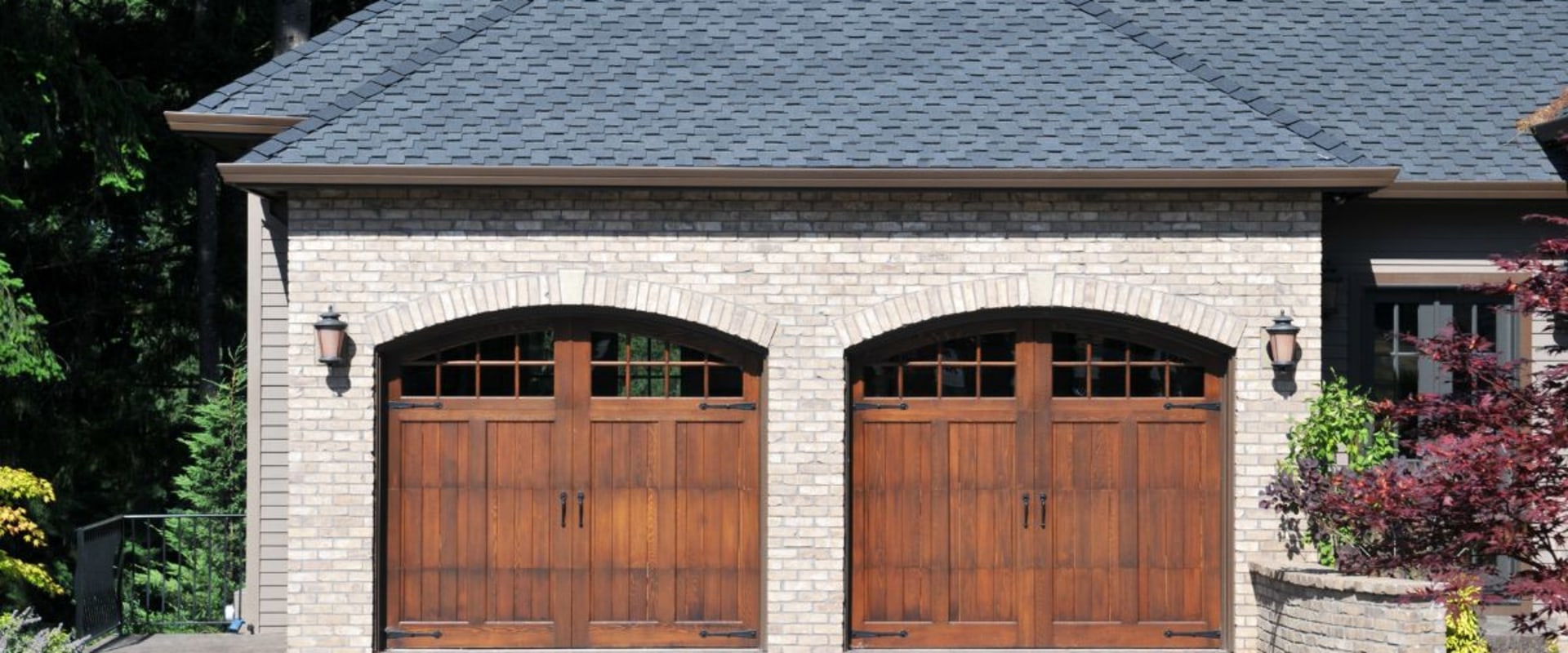
When it comes to home maintenance, the garage door often takes a backseat in the minds of homeowners. However, understanding the importance of regular garage door maintenance is crucial for ensuring not only the functionality of this essential entry point but also the safety of your family and belongings. A well-maintained garage door operates smoothly, reducing the risk of unexpected malfunctions that can lead to costly garage door repairs. By prioritizing maintenance, you can avoid the inconvenience and potential hazards associated with a malfunctioning door. Regular maintenance goes beyond just keeping your garage door operational; it plays a significant role in enhancing its lifespan.
Just like any mechanical system, garage doors are subject to wear and tear over time. Components such as springs, cables, and rollers can deteriorate if not properly cared for. By investing time in routine checks and maintenance, you can identify minor issues before they escalate into major problems that require expensive repairs or even complete replacements. Moreover, the benefits of regular maintenance extend to your home’s overall security. A malfunctioning garage door can become an easy target for intruders, compromising the safety of your property.
Ensuring that all safety features are functioning correctly not only protects your home but also provides peace of mind. In essence, regular garage door maintenance is not just about preserving functionality; it is about safeguarding your home and enhancing its value.
Common Garage Door Issues and Their Causes
Homeowners often encounter a variety of issues with their garage doors, which can stem from several underlying causes. Understanding these common problems is crucial for recognizing when garage door repair is necessary and for maintaining the overall functionality of this essential entry point to your home.Misalignment Problems
One of the most frequent issues is misalignment. This can occur due to various factors, including:- Wear and Tear: Over time, the components of the garage door system can wear down, leading to misalignment.
- Improper Installation: If the garage door was not installed correctly, it may not function as intended.
- Weather Conditions: Extreme temperatures can cause materials to expand or contract, affecting alignment.
Noisy Operation
Noisy garage doors are another common complaint.Unusual sounds such as grinding, squeaking, or rattling can indicate:
- Lack of Lubrication: Moving parts require regular lubrication to function smoothly. Without it, friction increases, leading to noise.
- Worn Rollers or Hinges: Components that are worn out can create excessive noise during operation.
- Loose Hardware: Bolts and screws that have come loose can cause rattling sounds as the door operates.
Malfunctioning Safety Features
The safety features of a garage door are vital for preventing accidents. Common problems include:- Non-Responsive Sensors: If the photoelectric sensors are misaligned or obstructed, they may fail to detect objects in the door's path.
- Automatic Reverse Failure: This feature should activate when an object is detected; if it doesn’t work, it poses a serious safety risk.
Regular inspections and addressing minor problems early on can save you from costly repairs and ensure your garage door remains safe and functional for years to come.
The Benefits of Regular Garage Door Maintenance
Regular maintenance of your garage door offers a multitude of benefits that extend beyond mere functionality. Understanding these advantages can help homeowners appreciate the importance of routine checks and encourage them to prioritize this often-overlooked aspect of home care.Enhanced Safety
One of the most significant benefits of regular garage door maintenance is enhanced safety. Garage doors are heavy and can pose serious risks if they malfunction. Regular inspections ensure that safety features, such as photoelectric sensors and automatic reverse mechanisms, are functioning correctly.
These features are designed to prevent accidents by detecting obstacles in the door's path. By maintaining these systems, you significantly reduce the risk of injury to family members or pets.
Prolonged Lifespan
Another compelling reason to invest in routine garage door maintenance is the potential for a prolonged lifespan. Just like any mechanical system, garage doors experience wear and tear over time. Regular checks allow for early detection of issues such as rust, misalignment, or worn-out components.
Addressing these problems promptly can prevent them from escalating into more severe issues that could necessitate a complete replacement. For instance, a small issue with the springs can lead to significant damage if left unaddressed.
Cost-Effectiveness
In addition to enhancing safety and extending the lifespan of your garage door, regular maintenance is also a cost-effective strategy. While it may seem like an added expense to schedule annual inspections, the reality is that these proactive measures can save you money in the long run. By identifying minor issues before they develop into major repairs, you can avoid costly emergency services and replacements.
For example, replacing a single worn-out roller is far less expensive than repairing extensive damage caused by a malfunctioning door.
Improved Functionality
Routine maintenance also ensures that your garage door operates smoothly and efficiently. A well-maintained door opens and closes quietly and without hesitation, providing convenience in your daily routine. Regular lubrication of moving parts reduces friction and wear, leading to better performance and less strain on the opener mechanism.
Aesthetic Appeal
Finally, maintaining your garage door contributes to the overall aesthetic appeal of your home. A well-kept garage door enhances curb appeal and reflects positively on your property value.
Regular cleaning and minor repairs can prevent unsightly rust or paint peeling, ensuring that your home remains attractive. In summary, the benefits of regular garage door maintenance are numerous and impactful. From enhancing safety to prolonging lifespan and improving functionality, routine checks are an essential part of responsible homeownership. By prioritizing maintenance, you not only protect your investment but also ensure a safe and efficient entryway into your home.
Key Components to Inspect During Maintenance
Regular maintenance of your garage door is crucial for its longevity and functionality. During these maintenance checks, several key components should be thoroughly inspected to ensure everything is operating smoothly.Here’s a detailed look at the essential parts to focus on:
- Garage Door Springs: These are vital for the door's operation, as they counterbalance the weight of the door. Inspect both torsion and extension springs for signs of wear, such as rust or stretching. If you notice any damage, it’s crucial to replace them promptly to avoid potential accidents.
- Cables: Garage door cables work in conjunction with the springs to lift and lower the door. Check for fraying or any signs of wear.
Damaged cables can lead to a malfunctioning door and pose safety risks.
- Rollers: The rollers guide the door along the tracks. Inspect them for smooth operation and check for any cracks or chips. Lubricating the rollers can help reduce friction and prolong their lifespan.
- Hinges: Hinges connect the sections of the garage door and allow it to pivot. Look for signs of rust or wear, and ensure they are properly lubricated to facilitate smooth movement.
- Tracks: The tracks guide the rollers as the door opens and closes.
Inspect them for bends, debris, or misalignment. Any obstruction can hinder the door's movement, so keep them clean and aligned.
- Safety Sensors: These sensors prevent accidents by detecting objects in the path of the closing door. Test their functionality regularly by placing an object in their path to ensure they reverse the door's motion correctly.
- Weather Stripping: This component seals gaps between the garage door and its frame, helping to maintain energy efficiency and protect against weather elements. Check for cracks or deterioration and replace if necessary.
Keeping your garage door in optimal condition not only enhances its performance but also ensures safety for you and your family.
DIY Maintenance Tips for Homeowners
Maintaining your garage door doesn’t always require a professional technician. With some basic knowledge and the right tools, homeowners can perform essential maintenance tasks to keep their garage doors functioning smoothly. Here are some practical DIY garage door maintenance tips that can help you ensure the longevity and efficiency of your garage door.1.Regular Visual Inspections
Start by conducting regular visual inspections of your garage door. Look for any signs of wear and tear, such as:- Cracks or dents in the door panels
- Rust on metal components
- Worn-out weather stripping
- Loose or missing hardware
2.Lubrication of Moving Parts
One of the most critical aspects of garage door maintenance is keeping the moving parts well-lubricated.Use a silicone-based lubricant or a lithium grease spray to lubricate:
- The rollers
- The tracks
- The hinges
- The springs (only if you are trained to do so)
3.Testing Safety Features
Your garage door is equipped with safety features designed to protect you and your family. Regularly test these features:- Photoelectric Sensors: Ensure they are aligned correctly and clean from dust or debris.
- Auto-Reverse Function: Place a small object in the path of the closing door to see if it reverses as intended.
4.Cleaning the Garage Door
A clean garage door not only looks better but also functions more efficiently. Use a mild detergent mixed with water to wash the door’s surface, removing dirt and grime. Rinse thoroughly and dry with a soft cloth to prevent water spots.5.When to Call a Professional
While many maintenance tasks can be performed by homeowners, some situations require professional intervention:- If you notice significant damage or misalignment
- If the garage door is making unusual noises that you cannot identify
- If you need to adjust or replace torsion springs or cables
When to Call a Professional for Garage Door Repair
While regular maintenance can help keep your garage door in good working order, there are certain situations where the expertise of a professional garage door technician is essential.Understanding when to call for professional garage door repair services can save you time, money, and potential safety hazards.
Signs You Need Professional Help
- Unusual Noises: If your garage door is making strange sounds such as grinding, squeaking, or banging, it may indicate a problem with the springs, rollers, or other components. These noises often signal that something is amiss and should be inspected by a professional.
- Door Won't Open or Close: If your garage door is stuck in one position or refuses to respond to the remote or wall switch, it could be due to a malfunctioning opener or an issue with the door's alignment. A technician can diagnose the problem and provide the necessary repairs.
- Visible Damage: Cracks, dents, or warping in the garage door itself can compromise its integrity and functionality. If you notice any visible damage, it's crucial to consult a professional who can assess the situation and recommend repairs or replacements.
- Inconsistent Movement: If your garage door opens or closes unevenly or hesitates during operation, this could indicate a problem with the tracks or springs.
A professional can realign the components and ensure smooth operation.
- Safety Sensor Issues: Garage doors are equipped with safety sensors designed to prevent accidents. If these sensors are malfunctioning—such as failing to detect objects in their path—it poses a significant safety risk. A technician can test and repair these systems to ensure they function correctly.
- Frequent Breakdowns: If you find yourself frequently needing repairs for your garage door, it may be time to consult a professional. Continuous issues could indicate underlying problems that require expert attention.
The Limits of DIY Maintenance
While some minor maintenance tasks can be performed by homeowners—such as lubricating moving parts or tightening loose screws—certain repairs should always be left to professionals.
Attempting to fix complex issues without proper training can lead to further damage or even injury. For example, adjusting torsion springs requires specialized knowledge and tools due to the high tension they are under. In conclusion, recognizing when to seek professional help for your garage door is crucial for maintaining its functionality and safety. By being aware of the signs that indicate a need for expert intervention, you can ensure that your garage door remains in optimal condition while avoiding unnecessary risks.
Safety Features: Ensuring Your Garage Door is Safe for Use
When it comes to garage doors, safety should always be a top priority. Garage doors are heavy and can pose significant risks if not properly maintained.Regular maintenance not only ensures that your garage door operates smoothly but also that its safety features are functioning correctly. Understanding the critical safety features of garage doors and how to test them can help prevent accidents and injuries.
Key Safety Features of Garage Doors
- Photoelectric Sensors: These sensors are designed to detect objects or people in the path of the closing garage door. If something interrupts the beam, the door will automatically reverse direction, preventing potential harm.
- Automatic Reverse Mechanism: This feature works in conjunction with photoelectric sensors. If the door encounters an obstruction while closing, it will stop and reverse to avoid crushing anything in its path.
- Manual Release Mechanism: In case of a power outage or malfunction, this feature allows you to manually open or close the garage door.
It’s essential to know how to operate this mechanism safely.
- Safety Cables: These cables are installed within the extension springs to prevent them from causing injury or damage if they break. They keep the springs contained and minimize risk.
Testing Safety Sensors
Regularly testing your garage door's safety sensors is crucial for ensuring they work effectively. Here’s how you can perform a simple test:
- Close the garage door using the remote or wall switch.
- While the door is closing, place a small object (like a roll of paper towels) in its path.
- If the door reverses upon contact with the object, your safety sensors are functioning correctly. If it does not reverse, it’s time to call a professional for repairs.
The Importance of Safety in Garage Doors
The significance of having well-functioning safety features cannot be overstated.
A malfunctioning garage door can lead to serious injuries, especially for children and pets who may be unaware of the dangers. Regular maintenance checks allow you to identify any issues with these safety features before they become hazardous. By prioritizing safety, you not only protect your family but also enhance the longevity of your garage door system. In conclusion, ensuring that your garage door's safety features are operational is an essential aspect of regular maintenance. By understanding these features and conducting routine tests, you can significantly reduce the risk of accidents and ensure a safe environment for everyone in your home.
The Cost-Effectiveness of Regular Maintenance vs.
Repairs
When it comes to maintaining your garage door, understanding the financial implications of regular maintenance versus emergency repairs is crucial. Many homeowners often overlook the importance of routine checks, assuming that they can address issues as they arise. However, this reactive approach can lead to significantly higher costs in the long run.
Cost Comparison: Maintenance vs. Repairs
Regular maintenance typically involves a modest investment, often ranging from $100 to $300 annually, depending on the service provider and the complexity of your garage door system.
This cost usually covers inspections, lubrication of moving parts, and minor adjustments. In contrast, emergency repairs can be substantially more expensive. For instance, if a spring breaks or a motor fails due to lack of maintenance, you could be looking at repair bills that range from $200 to over $1,000.
Financial Benefits of Regular Checks
Investing in regular maintenance not only helps prevent costly repairs but also extends the lifespan of your garage door system. A well-maintained garage door can last 15 to 30 years, while neglecting it can shorten its lifespan significantly.
By scheduling annual inspections, you can identify potential issues early on—such as worn-out springs or misaligned tracks—before they escalate into major problems that require expensive repairs.
Saving Money on Garage Door Repairs
- Preventive Care: Regular maintenance allows for preventive care that addresses minor issues before they become significant failures.
- Increased Efficiency: A well-maintained garage door operates more efficiently, which can reduce energy costs associated with heating or cooling your garage space.
- Enhanced Safety: Regular checks ensure that safety features are functioning correctly, reducing the risk of accidents that could lead to costly liability claims.
Creating a Garage Door Maintenance Schedule
Establishing a garage door maintenance schedule is crucial for ensuring the longevity and functionality of your garage door. By planning regular checks tailored to your specific usage patterns, you can prevent minor issues from escalating into costly repairs. Here’s how to create an effective maintenance schedule:Assess Your Usage Patterns
The first step in creating a maintenance schedule is to evaluate how often you use your garage door.If you open and close it multiple times a day, your door will experience more wear and tear compared to one that is used less frequently. For high-usage doors, consider scheduling maintenance every six months, while those with lighter use may only need annual checks.
Set Up a Maintenance Calendar
Once you have assessed your usage, it’s time to set up a maintenance calendar. Mark specific dates for inspections and routine maintenance tasks. Here are some recommended tasks to include:- Monthly: Inspect the door for any visible signs of wear, such as rust or dents.
Check the tracks for debris and ensure they are clear.
- Every 6 Months: Lubricate moving parts, including rollers, hinges, and tracks. Test the safety features, such as photoelectric sensors and automatic reverse functions.
- Annually: Schedule a professional inspection to assess the overall condition of the garage door system. This should include checking springs, cables, and the opener mechanism.
Document Your Findings
Keep a log of all maintenance activities performed on your garage door. Documenting findings can help you track any recurring issues and provide valuable information for professionals during annual inspections.This log can also serve as a reminder for when specific tasks need to be completed next.
Adjust as Necessary
Your maintenance schedule should be flexible enough to adapt to changes in usage or environmental conditions. For instance, if you live in an area with extreme weather conditions, you may need to increase the frequency of inspections and maintenance tasks. By following these steps and maintaining consistency in your upkeep efforts, you can ensure that your garage door remains in optimal condition. A well-maintained garage door not only enhances the safety of your home but also contributes to its overall aesthetic appeal.Conclusion: Prioritizing Garage Door Maintenance for Longevity and Safety
In summary, the significance of regular garage door maintenance cannot be overstated. As one of the most frequently used access points in your home, your garage door plays a crucial role in both convenience and security.By prioritizing maintenance, you not only enhance the longevity of your garage door but also ensure the safety of your family and belongings. Throughout this article, we have explored various aspects of garage door maintenance, emphasizing the importance of annual inspections and routine checks. These practices help identify potential issues before they escalate into costly repairs. For instance, a simple misalignment or worn-out component can lead to significant damage if left unaddressed. Regular maintenance allows for early detection and correction, ultimately saving you time and money. Moreover, maintaining your garage door is essential for its operational efficiency.
A well-maintained door operates smoothly, reducing wear and tear on the opener and other components. This not only extends the lifespan of your garage door system but also enhances its performance, ensuring that it opens and closes without any hitches. Safety is another critical factor that underscores the need for regular maintenance. Garage doors are equipped with safety features designed to protect you and your loved ones from accidents. Regularly testing these features ensures they function correctly, providing peace of mind that your garage door will not pose a risk to anyone in its vicinity. Additionally, aesthetic considerations should not be overlooked.
A well-maintained garage door contributes positively to your home’s curb appeal. Neglecting maintenance can lead to rust, warping, or other unsightly issues that detract from your property’s overall appearance. In conclusion, investing time and resources into regular garage door maintenance is a wise decision that pays off in numerous ways. From enhancing safety and functionality to preserving the visual appeal of your home, the benefits are clear. Don’t wait for a minor issue to become a major problem; schedule your maintenance today and enjoy the peace of mind that comes with knowing your garage door is in top condition.