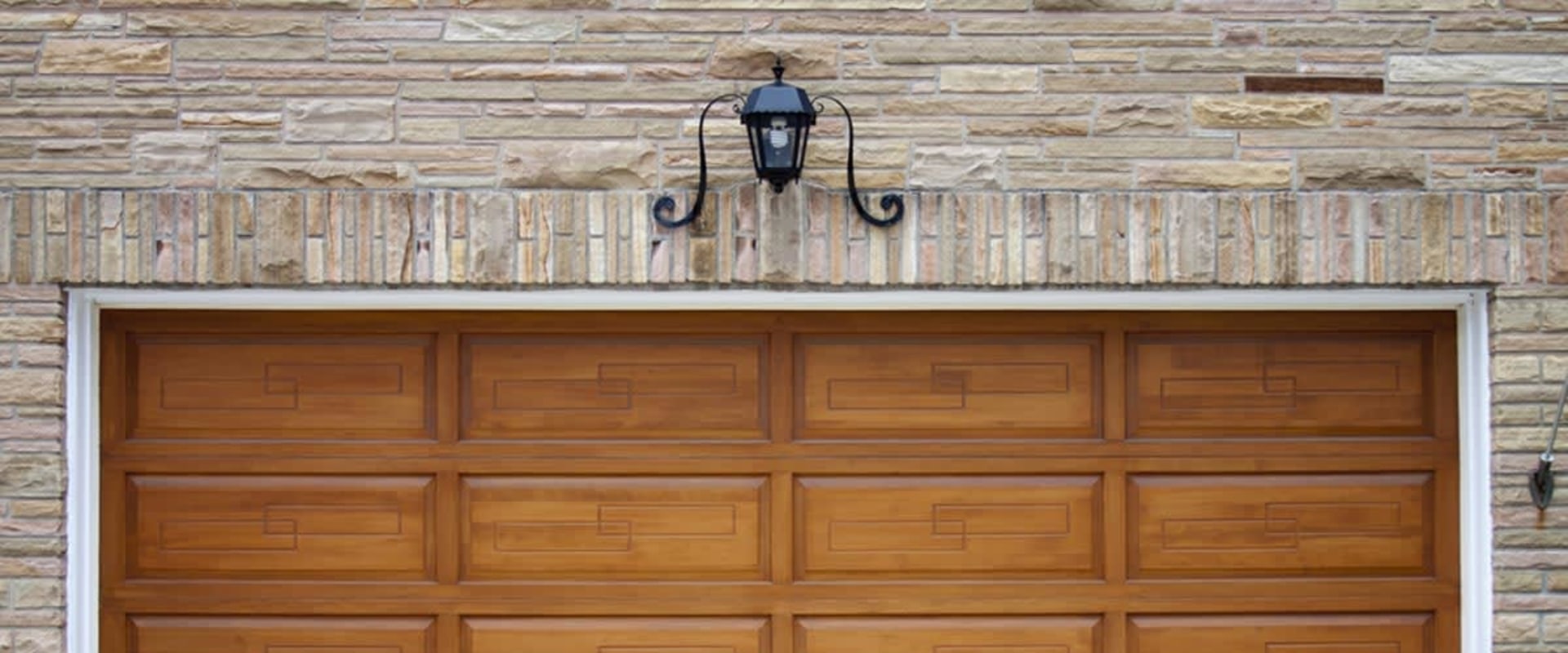
Your garage door is more than just a functional entry point; it serves as a vital component of your home’s overall aesthetic and security. A well-maintained garage door can significantly enhance your home’s curb appeal, making it stand out in the neighborhood. When potential buyers or visitors approach your home, the garage door is often one of the first features they notice. An attractive, modern garage door can create a positive first impression, while an outdated or damaged one can detract from your home’s value and appeal. Beyond aesthetics, the importance of a garage door extends to energy efficiency and security.
A properly insulated garage door can help regulate the temperature within your garage, which is especially beneficial if you use the space for storage or as a workshop. This insulation can lead to lower energy bills by reducing the amount of heat loss during colder months and keeping your garage cooler in the summer. Additionally, a sturdy and secure garage door acts as a barrier against intruders, protecting not only your vehicle but also any valuable items stored inside. Moreover, investing in a new garage door can provide long-term benefits that go beyond immediate functionality. Modern garage doors come equipped with advanced technology that enhances security features, such as smart locks and remote access systems.
These innovations not only improve safety but also offer convenience for homeowners who want to monitor their property remotely. In essence, understanding the multifaceted importance of your garage door is crucial when considering a replacement; it’s an investment that pays off in both aesthetic appeal and practical benefits.
Signs That Indicate It's Time for a Replacement
Recognizing when it’s time to replace your garage door is crucial for maintaining the safety, security, and aesthetic appeal of your home. Here are some key signs that indicate a replacement may be necessary:- Visible Damage: Look for any noticeable dents, cracks, or rust on the surface of your garage door. These physical damages not only detract from your home’s appearance but can also compromise the door's functionality.
- Operational Issues: If your garage door struggles to open or close smoothly, it may be a sign of underlying problems.
Listen for unusual noises such as grinding or squeaking, which can indicate worn-out components that may require replacement.
- Age of the Door: Most garage doors have a lifespan of about 15 to 30 years, depending on the material and maintenance. If your door is approaching or has surpassed this age range, it may be time to consider a replacement.
- Frequent Repairs: If you find yourself calling for garage door repair services more often than usual, it might be more cost-effective to invest in a new door rather than continually fixing an old one. Frequent repairs can add up quickly and may not address the root cause of the issues.
- Energy Efficiency Concerns: An old or poorly insulated garage door can lead to increased energy bills. If you notice drafts or temperature fluctuations in your garage, replacing your door with a more energy-efficient model can help save on heating and cooling costs.
- Security Risks: A damaged or malfunctioning garage door can pose a security risk.
If the door does not close properly or has weak locking mechanisms, it could make your home vulnerable to break-ins. Replacing it with a secure model is essential for protecting your property.
Choosing the Right Garage Door: Types and Materials
When it comes to selecting a new garage door, understanding the various types and materials available is crucial. Each option has its own set of benefits and drawbacks, which can significantly influence your decision based on factors like durability, aesthetics, and budget.Types of Garage Doors
- Sectional Garage Doors: These are the most common type of garage doors.
They consist of several horizontal panels that are hinged together. When opened, they slide up along tracks and are stored parallel to the ceiling. Sectional doors are known for their versatility and can be made from various materials.
- Roller Garage Doors: Ideal for homes with limited headroom, roller doors roll up into a compact coil above the opening. They are typically made from steel or aluminum and offer a sleek, modern look.
- Tilt-Up Garage Doors: These doors operate by tilting up into the garage ceiling.
They are usually made from a single solid piece of material and can be a great choice for those seeking simplicity in design.
- Side-Hinged Garage Doors: Resembling traditional barn doors, these open outward from the center. They are often made from wood or steel and provide a classic aesthetic but require sufficient space in front of the garage.
Garage Door Materials
The material you choose for your garage door will affect its durability, maintenance needs, and overall appearance. Here are some popular options:- Steel: Known for its strength and durability, steel garage doors are resistant to dents and can be insulated for energy efficiency. They come in various styles and finishes, making them a versatile choice.
- Wood: Offering a natural aesthetic, wooden doors can be customized to fit any home style.
However, they require regular maintenance to prevent warping and rotting.
- Fiberglass: This material is lightweight and resistant to rust and corrosion. Fiberglass doors can mimic the appearance of wood while being easier to maintain.
- Aluminum: Lightweight and resistant to rust, aluminum doors are ideal for coastal areas. They can be designed in various styles but may not be as durable as steel options.
Factors Affecting Garage Door Replacement Costs
When considering a garage door replacement, understanding the various factors that influence the overall cost is essential for effective budgeting.Here are the primary elements that can affect the cost of a new garage door:
- Type of Garage Door: The material and style of the garage door significantly impact its price. Common materials include:
- Steel: Generally the most affordable option, steel doors are durable and require minimal maintenance.
- Wood: While aesthetically pleasing, wooden doors can be more expensive and require regular upkeep to prevent rot and warping.
- Fiberglass: These doors offer a good balance between durability and aesthetics but can be pricier than steel.
- Aluminum: Lightweight and resistant to rust, aluminum doors are often used in modern designs but may not provide the same insulation as other materials.
- Size of the Door: The dimensions of your garage door will directly affect the cost. Standard sizes are typically less expensive, while custom sizes can lead to higher prices due to additional materials and labor.
- Removal of Old Door: If you are replacing an existing garage door, consider the cost associated with its removal. This process can vary in complexity depending on the door's weight and installation method.
- Additional Hardware: Depending on your specific needs, you may need to purchase extra components such as tracks, springs, and cables.
These items can add to your total expenses, especially if you opt for high-quality or specialized hardware.
- Labor Costs: Professional installation is crucial for ensuring safety and functionality. Labor costs can vary based on your location and the complexity of the installation. On average, expect to pay for several hours of labor, particularly if any modifications to your garage structure are necessary.
DIY vs.
Professional Installation: What You Need to Know When it comes to installing a new garage door, homeowners often face a critical decision: should they tackle the project themselves or hire a professional? Both options have their merits and drawbacks, and understanding these can help you make an informed choice that best suits your needs.
Pros of DIY Garage Door Installation
- Cost Savings: One of the most significant advantages of a DIY installation is the potential for cost savings. By eliminating labor costs, you can significantly reduce the overall expense of your garage door replacement.
- Flexibility: DIY projects allow you to work on your own schedule. You can take your time to ensure everything is done correctly without the pressure of a professional timeline.
- Personal Satisfaction: Successfully completing a home improvement project can be incredibly rewarding. Many homeowners take pride in their ability to handle tasks independently.
Cons of DIY Garage Door Installation
- Safety Risks: Garage doors are heavy and can be dangerous if not handled properly.
Improper installation can lead to serious injuries or damage to your property.
- Lack of Expertise: Without professional experience, you may overlook critical installation steps or fail to use the right tools, leading to potential malfunctions or safety hazards down the line.
- No Warranty Coverage: Many manufacturers require professional installation for warranty coverage. If you install the door yourself, you may void any warranty that comes with it.
Benefits of Professional Garage Door Installation
- Expertise and Experience: Professional installers have the training and experience necessary to ensure that your garage door is installed correctly and safely. They are familiar with various types of doors and can handle any complications that may arise during installation.
- Time Efficiency: Professionals can typically complete the installation much faster than a DIYer, allowing you to enjoy your new garage door sooner.
- Comprehensive Service: Many professionals offer additional services such as maintenance checks and warranty options, providing peace of mind that your investment is protected.
Drawbacks of Professional Garage Door Installation
- Higher Costs: Hiring professionals will increase your overall expenses due to labor costs. This might be a significant factor for budget-conscious homeowners.
- Scheduling Conflicts: You may need to work around the availability of professionals, which could delay your project if they are booked up.
If safety and proper functionality are top priorities, enlisting the help of experienced professionals may be the best route to take.
Preparing for Your Garage Door Replacement Project
Replacing your garage door is a significant investment that requires careful planning and preparation. To ensure a smooth and successful project, follow this comprehensive checklist to get ready for your garage door replacement.- Measure the Garage Door Opening: Start by accurately measuring the width and height of your garage door opening. This will help you determine the size of the new door you need. Use a tape measure and take measurements at multiple points to account for any irregularities in the opening.
- Assess Your Current Door: Take note of the type of garage door you currently have, including its material, style, and any existing hardware.
This information can be helpful when selecting a new door that meets your needs and preferences.
- Choose the Right Style: Consider the architectural style of your home when selecting a new garage door. Options range from traditional raised-panel doors to modern glass designs. Ensure that the style you choose complements your home’s exterior for a cohesive look.
- Decide on Material: Garage doors come in various materials, including steel, wood, aluminum, and fiberglass. Each material has its own benefits and drawbacks in terms of durability, maintenance, insulation, and cost.
Research these options to find the best fit for your lifestyle.
- Consider Insulation: If energy efficiency is a priority, consider investing in an insulated garage door. Insulated doors help regulate temperature, reduce energy costs, and provide added comfort if your garage is attached to your home.
- Plan for Removal: If you are replacing an existing garage door, plan for its removal. Determine whether you will handle this yourself or hire professionals. If opting for DIY removal, ensure you have the necessary tools and safety equipment.
- Budgeting: Establish a budget for your garage door replacement project.
Include costs for the new door, installation, removal of the old door, and any additional hardware or accessories you may need.
- Research Local Contractors: If you decide to hire professionals for installation, research local contractors with good reviews and experience in garage door replacement. Obtain multiple quotes to compare prices and services offered.
The Installation Process: What to Expect
Installing a new garage door is a significant undertaking that requires careful planning and execution. Understanding the garage door installation process can help you prepare for what to expect on installation day.Here’s a detailed overview of the typical steps involved in installing a new garage door.
1.Preparation and Assessment
Before the installation begins, the technician will assess your existing garage door setup. This includes:- Measuring the Opening: Accurate measurements of the garage door opening are crucial to ensure a proper fit for the new door.
- Inspecting the Hardware: The technician will check existing hardware, such as tracks and springs, to determine if they need replacement or can be reused.
- Discussing Options: You may have a brief discussion about any last-minute changes or preferences regarding the style and features of your new garage door.
2.Removal of the Old Door
If you are replacing an existing garage door, the next step involves removing it. This process typically includes:- Disconnecting Power: If your garage door opener is electric, it will be disconnected from power to ensure safety during removal.
- Taking Down the Old Door: The technician will carefully dismantle the old door, removing it from its tracks and disassembling any hardware that will not be reused.
- Disposing of Materials: Many professionals will handle disposal of the old door, ensuring that it is done in an environmentally friendly manner.
3.Installing the New Door
The installation of your new garage door involves several key steps:- Assembling Panels: If your new door comes in sections, the technician will begin by assembling these panels according to manufacturer specifications.
- Installing Tracks and Hardware: The tracks are installed first, followed by any necessary hardware such as springs and rollers. Proper alignment is critical for smooth operation.
- Hanging the Door: Once the tracks are in place, the new door is carefully hung and tested for balance and functionality.
4.Final Adjustments and Testing
The final phase of installation includes:- Adjusting Settings: The technician will adjust settings on your garage door opener to ensure optimal performance.
- Testing Operation: A thorough test of the door’s operation is conducted to check for smooth opening and closing, as well as safety features like auto-reverse.
- Cleansing the Area: Finally, any debris from installation will be cleaned up, leaving your garage tidy and ready for use.
By understanding these steps, you can feel more confident and prepared for your new garage door installation.
Maintaining Your New Garage Door for Longevity
Once you've invested in a new garage door, maintaining it properly is essential to ensure its longevity and optimal performance. Regular maintenance not only enhances the door's appearance but also prevents costly repairs down the line. Here are some practical garage door maintenance tips to help you keep your new installation in top shape.Regular Inspections
Conducting regular inspections is crucial for identifying potential issues before they escalate. Aim to check your garage door at least once a month.During your inspection, look for:
- Signs of wear and tear: Check for rust, dents, or cracks in the door material.
- Proper alignment: Ensure that the door opens and closes smoothly without any obstructions.
- Hardware condition: Inspect hinges, rollers, and tracks for any signs of damage or excessive wear.
Lubrication
A well-lubricated garage door operates more smoothly and quietly. Use a silicone-based lubricant or a lithium grease spray on the following components:- Hinges
- Rollers
- Tracks
- Springs
Cleansing the Door
Keeping your garage door clean not only improves its appearance but also helps prevent corrosion. Use a mild detergent mixed with water to wash the surface of the door. Rinse thoroughly and dry with a soft cloth to avoid water spots.Pay special attention to:
- The bottom seal, which can accumulate dirt and debris.
- The windows, if applicable, to maintain visibility.
Testing Safety Features
Your garage door should have safety features such as auto-reverse mechanisms and photo-eye sensors. Test these features every few months to ensure they function correctly:- Place an object in the path of the closing door to see if it reverses automatically.
- Check that the photo-eye sensors are aligned and free from obstructions.
Frequently Asked Questions About Garage Door Replacement
When considering a garage door replacement, homeowners often have numerous questions. Below are some of the most frequently asked questions regarding garage door replacement, along with concise answers to help guide your decision-making process.What are the signs that I need to replace my garage door?
Several indicators suggest it may be time for a replacement:- Visible Damage: Look for cracks, dents, or rust that compromise the door's integrity.
- Poor Functionality: If your garage door struggles to open or close smoothly, it may be time for a new one.
- Age: Most garage doors last around 15-30 years.
If yours is nearing this age, consider a replacement.
- Increased Energy Bills: An old, uninsulated door can lead to higher energy costs due to poor insulation.
How much does it cost to replace a garage door?
The cost of replacing a garage door can vary widely based on several factors:- Type of Door: Standard steel doors are generally more affordable than custom wood or insulated models.
- Size: Larger doors require more materials and labor, increasing the overall cost.
- Installation Fees: Professional installation can add $200 to $500 to your total cost.
Can I install a garage door myself?
While some homeowners may consider DIY installation to save money, it is generally not recommended. Garage doors are heavy and complex systems that require specialized tools and knowledge for safe installation. Mistakes during installation can lead to safety hazards and costly repairs down the line. Hiring a professional ensures that the job is done correctly and safely.What maintenance does a new garage door require?
To keep your new garage door functioning optimally, regular maintenance is essential.Here are some tips:
- Lubrication: Apply lubricant to moving parts like hinges and rollers every six months.
- Inspection: Regularly check for signs of wear or damage and address any issues promptly.
- Cleansing: Clean the door surface periodically to prevent dirt buildup and maintain its appearance.
Conclusion: Making Informed Decisions About Your Garage Door Replacement
In conclusion, replacing your garage door is not merely a home improvement task; it is a significant investment that can enhance your property’s value, security, and energy efficiency. Throughout this guide, we have explored various aspects of garage door replacement, from understanding the importance of selecting the right door to evaluating the costs involved. As you consider your options, keep in mind the following key points:- Assess Your Needs: Before making any decisions, evaluate your specific requirements. Consider factors such as the style of your home, the functionality you need, and your budget. This will help you narrow down your choices effectively.
- Understand Cost Factors: The cost of replacing a garage door can vary widely based on several elements, including the type of door, size, removal of the old door, additional hardware, and labor costs.
Being aware of these factors will enable you to plan your budget more accurately.
- Professional Installation: While DIY projects can be appealing for their cost-saving potential, installing a garage door is best left to professionals. Their expertise ensures that the installation is done correctly and safely, minimizing future issues.
- Long-Term Benefits: Investing in a new garage door can lead to long-term savings on energy bills and maintenance costs. An insulated door can significantly improve your home’s energy efficiency.
- Consult Experts: Always seek advice from accredited professionals who can provide tailored recommendations based on your unique situation. Their insights can help you make informed decisions that align with your goals.
By making informed choices, you can ensure that your new garage door not only enhances your home’s aesthetic appeal but also contributes positively to its overall functionality and value.