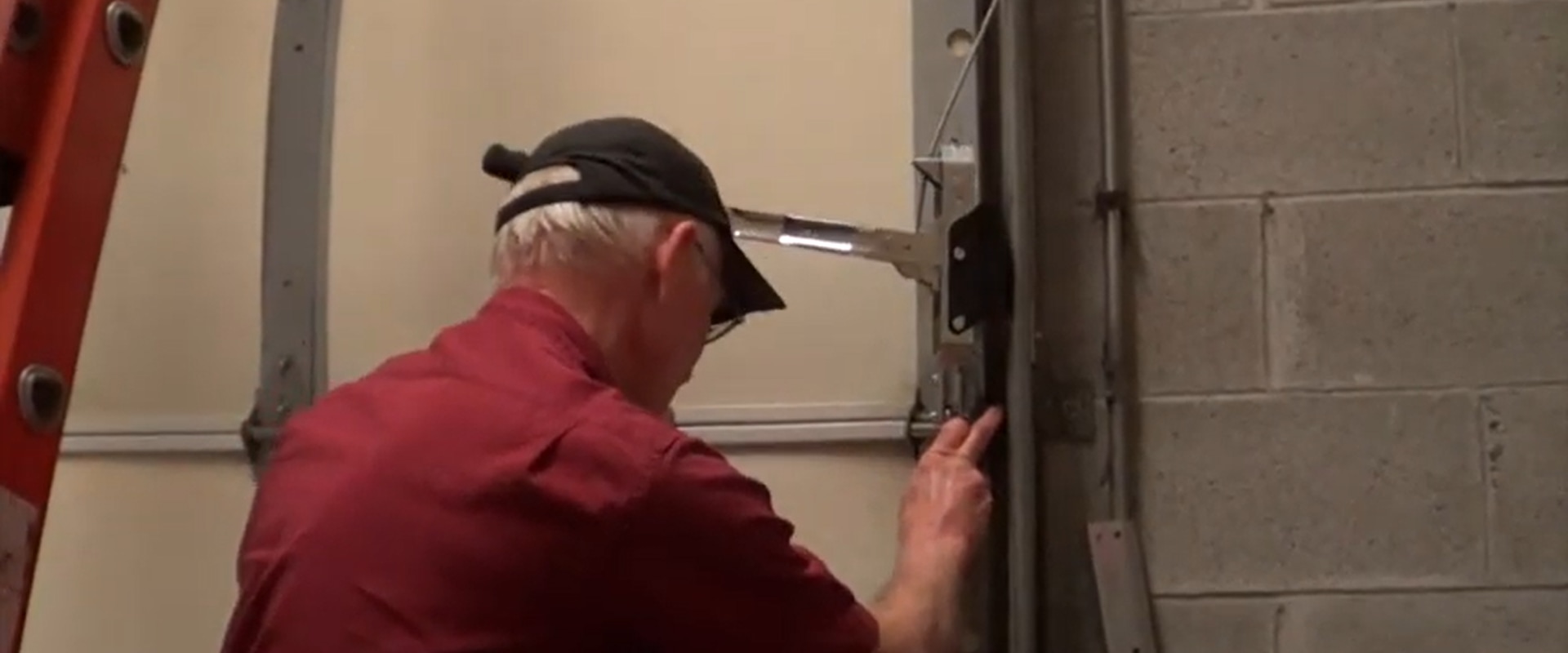
Garage door panels are the essential building blocks of your garage door, playing a crucial role in both its functionality and aesthetic appeal. Each panel, often referred to as a section, contributes to the overall structure and operation of the door. Understanding the different types of garage door panels and their specific functions is vital for homeowners considering repairs or replacements. Whether you have a traditional raised panel door or a modern flat panel design, each type has unique characteristics that can influence your decision-making process. Garage doors come in various styles, including sectional, roll-up, and tilt-up designs, each utilizing panels in distinct ways.
For instance, sectional doors are composed of multiple horizontal panels that hinge together, allowing for smooth vertical movement when opening and closing. In contrast, roll-up doors consist of a single curtain of material that rolls around a drum. Knowing the type of garage door you have will help you understand how its panels work together to provide security and insulation. Moreover, the materials used in garage door panels can vary significantly, ranging from steel and aluminum to wood and fiberglass. Each material offers different benefits in terms of durability, maintenance, and insulation properties.
For example, steel panels are known for their strength and resistance to dents, while wooden panels provide a classic look but may require more upkeep. As you consider garage door repair options, it's essential to evaluate not only the condition of your current panels but also how their material and design align with your long-term needs. In summary, understanding garage door panels is fundamental for any homeowner looking to maintain or enhance their property. By familiarizing yourself with the various types of panels and their functions, you can make informed decisions about repairs or replacements that will ensure your garage door remains functional and visually appealing for years to come.
When to Consider Panel Replacement
Deciding when to replace a garage door panel can be a challenging task for homeowners. Understanding the signs of damage and assessing the overall condition of your garage door is crucial in making an informed decision.Here are some key indicators that may suggest it’s time to consider a panel replacement.
- Dents and Dings: If you notice significant dents or dings on your garage door panel, it can affect both the aesthetics and functionality of the door. Minor imperfections may not warrant replacement, but deep dents that compromise the structural integrity of the panel should be addressed.
- Rust and Corrosion: For metal garage doors, rust is a common issue that can lead to further deterioration if not handled promptly. If you see rust spots spreading across the panel, it may be time to replace that section to prevent further damage and maintain the door's appearance.
- Warping: Wood panels are particularly susceptible to warping due to moisture exposure. If you notice that a panel is no longer flat or has developed an uneven surface, this could indicate that it has absorbed too much moisture and may need replacement.
- Paint Peeling or Fading: While cosmetic issues like peeling paint or fading color might not seem urgent, they can signal underlying problems.
If the paint is deteriorating, it may expose the material underneath to elements, leading to more severe damage over time.
- Functional Issues: If your garage door is not opening or closing smoothly, it could be due to a damaged panel affecting its balance. A professional assessment can help determine if a panel replacement is necessary to restore proper function.
- Age of the Door: If your garage door is nearing the end of its lifespan, replacing just one panel might not be cost-effective in the long run.
- Overall Wear: Check for issues like broken springs, worn-out tracks, or malfunctioning openers that could indicate that other components may also need attention.
- Matching Panels: If you decide to replace a single panel, ensure that you can find a matching color and style.
Mismatched panels can detract from your home’s curb appeal.
Evaluating Damage: Repair vs. Replacement
When faced with a damaged garage door panel, homeowners often grapple with the decision of whether to repair or replace the affected section. This choice can significantly impact both the functionality of the door and the overall aesthetic of your home.To make an informed decision, it’s essential to evaluate the extent of the damage and consider various factors.
Assessing the Damage
- Minor Damage: If the damage is superficial, such as small dents or scratches, a repair may be sufficient. In many cases, these issues can be fixed with a simple touch-up or by using a specialized garage door repair kit.
- Moderate to Severe Damage: If the panel is cracked, warped, or has significant structural issues, replacement might be necessary. A compromised panel can affect the balance and operation of the entire garage door system.
Cost Analysis
The financial implications of repairing versus replacing a garage door panel can vary widely:
- Repair Costs: Generally, repairs are less expensive than replacements. However, costs can add up if multiple repairs are needed over time.
Additionally, if repairs do not restore full functionality, you may face further expenses down the line.
- Replacement Costs: Replacing a panel typically involves higher upfront costs due to purchasing a new panel and potential installation fees. However, this option may provide long-term savings by ensuring better performance and reducing future maintenance needs.
The Importance of Professional Assessment
Before making a final decision, it’s advisable to consult with a professional garage door technician. They can provide a thorough assessment of the damage and offer insights into:
- The structural integrity of your garage door
- The compatibility of new panels with existing ones
- The potential for future issues if repairs are made instead of replacements
Cost Factors in Garage Door Panel Replacement
When considering garage door panel replacement, understanding the various cost factors involved is crucial for making an informed decision.The overall expense can vary significantly based on several elements, including the type of material, labor costs, and any additional fees that may arise during the installation process.
1.Material Costs
- Type of Material: Garage door panels are available in a variety of materials such as steel, aluminum, wood, and fiberglass. Each material comes with its own price range. For instance, steel panels tend to be more affordable and durable, while wooden panels offer aesthetic appeal but can be more expensive.
- Panel Size: The size of the panel also plays a significant role in determining the cost. Larger panels typically cost more due to the increased material required for manufacturing.
- Customization: If you require a custom panel to match your existing garage door design or color, expect to pay a premium.
Customization can add significantly to the overall cost.
2.Labor Expenses
- Installation Complexity: The complexity of the installation process can affect labor costs. If your garage door system requires special tools or techniques for panel replacement, this may increase labor charges.
- Professional vs. DIY: Hiring a professional for installation will incur additional costs compared to a DIY approach. However, opting for professional help ensures that the job is done correctly and safely, potentially saving you money on future repairs.
3.Additional Fees
- Disposal Fees: If your old panel needs to be disposed of, some contractors may charge a fee for removal and disposal services.
- Inspection Costs: Before replacing a panel, it’s advisable to have a professional inspect your entire garage door system.
This inspection may come with its own fee but can help identify other potential issues that could affect your garage door's performance.
Choosing the Right Replacement Panel
When it comes to garage door panel replacement, selecting the right panel is crucial for maintaining the aesthetic and functional integrity of your garage door. Here are some key considerations to help you make an informed decision.Matching Existing Panels
One of the first steps in choosing a replacement panel is ensuring that it matches the existing panels in terms of color, style, and texture. A mismatched panel can detract from your home’s curb appeal and may even lower its value.To achieve a seamless look, consider the following:
- Color Matching: If your garage door is painted, obtaining the exact paint color can be challenging. Take a sample or a photo of the existing color to a local paint store for assistance in finding a match.
- Texture and Finish: Garage doors come in various finishes such as smooth, wood grain, or embossed. Ensure that the replacement panel has a similar texture to blend in with the rest of the door.
- Style Compatibility: Different garage door styles (e.g., traditional, modern, carriage house) have unique design elements. Make sure the replacement panel aligns with your door's overall style.
Material Options
The material of your garage door panel plays a significant role in its durability, maintenance, and insulation properties.Here are some common materials to consider:
- Steel: Known for its strength and durability, steel panels are resistant to dents and can be insulated for energy efficiency. They are available in various colors and finishes.
- Aluminum: Lightweight and resistant to rust, aluminum panels are ideal for coastal areas. However, they may not be as durable as steel.
- Wood: Offering a classic look, wooden panels can be customized with stains or paints. However, they require regular maintenance to prevent rot and warping.
- Fiberglass: This material is lightweight and resistant to dents and rust.
Fiberglass panels can mimic the appearance of wood but require less maintenance.
DIY vs. Professional Installation: What You Need to Know
When it comes to replacing a damaged garage door panel, homeowners often face a crucial decision: should they tackle the project themselves or hire a professional? Both options have their merits and drawbacks, and understanding these can help you make an informed choice.DIY Garage Door Panel Replacement
For those who are handy and enjoy home improvement projects, DIY garage door panel replacement can be an appealing option. Here are some advantages:
- Cost Savings: By doing the work yourself, you can save on labor costs associated with hiring a professional.
- Control Over the Process: You have complete control over the timeline and can work at your own pace.
- Satisfaction: Successfully completing a DIY project can provide a sense of accomplishment.
- Skill Level: Replacing a garage door panel requires specific skills and tools.
If you're not experienced, you may encounter difficulties that could lead to further damage.
- Safety Risks: Garage doors are heavy and can be dangerous if not handled properly. Improper installation can lead to accidents or injuries.
- Time-Consuming: What may seem like a straightforward task could take longer than expected, especially if you run into complications.
Hiring Professionals
If you're unsure about your ability to replace the panel yourself, hiring professionals is often the best route. Here are some reasons to consider this option:
- Expertise: Professionals have the training and experience to handle various types of garage doors and can quickly identify issues that may not be apparent to an untrained eye.
- Quality Assurance: A professional installation typically comes with a warranty, ensuring that any future issues will be addressed without additional costs.
- Safety: Professionals are equipped with the right tools and knowledge to safely handle heavy panels and complex mechanisms.
When to Choose Each Option
If you have experience with home repairs and feel confident in your abilities, DIY replacement might be suitable for minor damage. However, if the damage is extensive or if you're uncertain about your skills, it's wise to seek professional help.
Additionally, if your garage door is part of a larger system that requires precise alignment or adjustments, professionals will ensure everything functions correctly after the replacement. No matter which route you choose, always prioritize safety and quality in your garage door repair efforts.
Maintaining Your Garage Door After Panel Replacement
After replacing a garage door panel, it’s crucial to implement a consistent maintenance routine to ensure the longevity and functionality of your garage door. Regular upkeep not only enhances the appearance of your door but also prevents potential issues that could arise from neglect.1.Regular Inspections
- Conduct visual inspections of your garage door at least once a month. Look for signs of wear, such as cracks, rust, or warping in the newly replaced panel and surrounding sections.
- Check the alignment of the door. If it appears uneven or doesn’t open and close smoothly, it may require adjustment.
2.Lubrication
- Apply a silicone-based lubricant to the moving parts of your garage door, including rollers, hinges, and tracks.
This should be done every six months to ensure smooth operation.
- Avoid using grease-based products as they can attract dirt and debris, leading to more significant issues over time.
3.Cleaning
- Keep your garage door clean by washing it with mild soap and water. This helps remove dirt and grime that can cause corrosion or damage to the finish.
- Pay special attention to the area around the replaced panel to ensure it blends well with the rest of the door.
4.Weatherstripping Maintenance
- Inspect the weatherstripping around your garage door regularly. Damaged or worn weatherstripping can lead to drafts, moisture intrusion, and increased energy costs.
- If you notice any deterioration, replace it promptly to maintain insulation and protect against the elements.
5.Professional Maintenance
- Consider scheduling annual professional maintenance checks. A trained technician can identify potential issues that may not be visible during regular inspections.
- They can also perform necessary adjustments and repairs that will prolong the lifespan of your garage door system.
Regular care not only protects your investment but also ensures that your garage door remains a reliable entry point for years to come.
Frequently Asked Questions About Garage Door Panel Replacement
When it comes to garage door panel replacement, homeowners often have numerous questions and concerns. Understanding the intricacies of this process can help you make informed decisions. Below are some frequently asked questions that address common issues and provide expert insights.1.Can I replace just one panel of my garage door?
Yes, it is possible to replace a single panel of your garage door. However, this decision should be made after a thorough assessment of the damage.If the damage is localized and the rest of the door is in good condition, replacing one panel can be a viable option. Keep in mind that finding an exact match for color and material may be challenging.
2.How do I know if my garage door panel needs replacement?
Signs that indicate a need for replacement include visible dents, cracks, or warping in the panel. Additionally, if the panel is causing operational issues—such as difficulty opening or closing the door—it may be time to consider a replacement. A professional inspection can provide clarity on whether repair or replacement is necessary.3.What factors affect the cost of garage door panel replacement?
The cost can vary based on several factors:- Material: Different materials (steel, wood, fiberglass) have varying costs.
- Size: Larger panels typically cost more than smaller ones.
- Labor: Installation costs can add significantly to your total expense.
- Model Compatibility: Some models may require specialized parts that can increase costs.
4.Will a new panel match my existing garage door?
This is often a concern for homeowners.While manufacturers strive to maintain consistency in their products, factors such as fading due to sun exposure can make it difficult to find an exact match. If aesthetics are important to you, consider consulting with a professional who can help you find the closest match or suggest alternatives.
5.Is it better to replace one panel or the entire garage door?
This depends on the overall condition of your garage door. If multiple panels are damaged or if the door shows signs of wear and tear, a full replacement may be more cost-effective in the long run. Additionally, newer doors often come with improved insulation and security features that could benefit your home. By addressing these common questions, homeowners can better navigate the complexities of garage door repair and make choices that enhance both functionality and curb appeal.Conclusion: Making an Informed Decision on Garage Door Panel Replacement
In conclusion, the decision to replace a garage door panel is not one to be taken lightly.It requires a thorough understanding of the damage, the potential costs involved, and the long-term implications for your home’s security and aesthetic appeal. As we have discussed, there are several factors to consider when evaluating whether to replace a single panel or opt for a complete garage door replacement. First and foremost, it is essential to assess the extent of the damage. If the damage is superficial and limited to one panel, replacement may be a viable option. However, if the damage affects the structural integrity of the door or if multiple panels are compromised, a full replacement might be more prudent. Additionally, consider the cost implications.
While replacing a single panel may seem like a cost-effective solution initially, hidden expenses such as installation fees and potential mismatches in color or material can add up quickly. It’s advisable to obtain quotes from professionals who can provide insights into both repair and replacement options. Another critical aspect is the aesthetic consistency of your garage door. A newly installed panel may not match perfectly with older sections, which could detract from your home’s curb appeal. This is particularly important if you plan to sell your home in the future, as first impressions matter significantly. Moreover, consider the age and condition of your entire garage door system.
If your door is nearing the end of its lifespan or has been experiencing frequent issues, investing in a new door might save you money in repairs down the line. Ultimately, making an informed decision about garage door panel replacement involves weighing all these factors carefully. Consulting with a professional can provide valuable insights tailored to your specific situation. By taking the time to evaluate your options thoroughly, you can ensure that you choose the best path forward for your home’s safety and appearance.