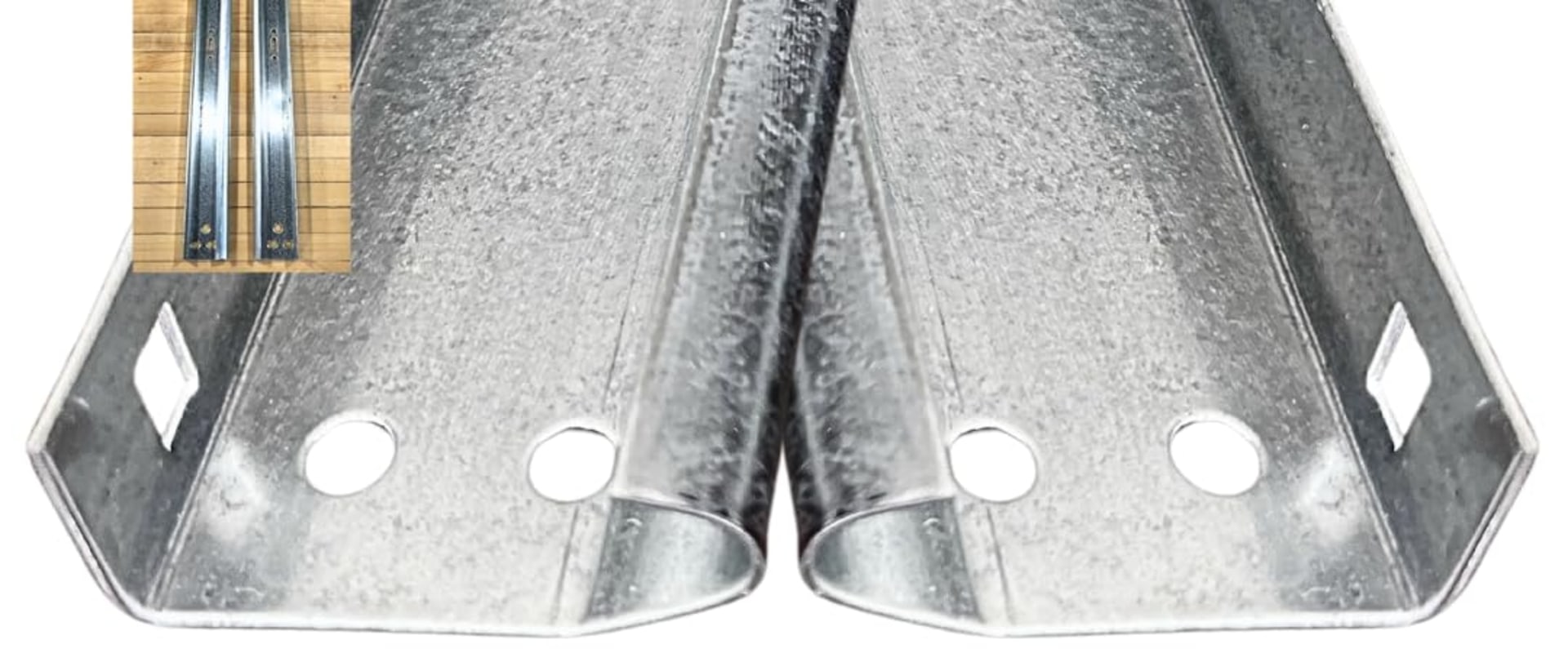
Garage door rails are a critical component of any garage door system, serving as the guiding framework that allows the door to open and close smoothly. These rails are designed to support the weight of the door while ensuring it operates efficiently and safely. Understanding the role of garage door rails is essential for homeowners, especially when it comes to garage door repair. Without properly functioning rails, even the most advanced garage doors can experience significant issues, leading to potential safety hazards and costly repairs. There are various types of garage door rails available, each tailored to specific door styles and weights.
For instance, sectional garage doors typically use vertical and horizontal tracks that work in tandem with rollers to facilitate movement. On the other hand, one-piece doors may utilize a different rail system altogether. This diversity in design highlights the importance of selecting compatible rails that match your specific garage door model. Using incompatible rails can lead to misalignment, increased wear and tear, and ultimately, a malfunctioning door. Moreover, the compatibility of garage door rails extends beyond just fitting the physical dimensions; it also involves ensuring that the materials and construction methods align with the manufacturer’s specifications.
When homeowners attempt to mix and match components from different brands or models, they risk compromising the integrity of their entire garage door system. This is why understanding garage door rails is not just about knowing what they are but also recognizing their significance in maintaining a safe and functional garage environment.
The Functionality of Garage Door Rails
Garage door rails play a crucial role in the overall functionality of your garage door system. They are designed to guide the door as it opens and closes, ensuring smooth operation and enhancing safety. Understanding how these rails work can help you appreciate their importance and the need for compatibility with your specific garage door. At the core of a garage door's operation is the rail system, which consists of vertical and horizontal tracks.These tracks are typically made from durable materials such as steel or aluminum, providing the necessary strength to support the weight of the door. The rails are mounted on either side of the garage door and are aligned with rollers attached to the door itself. When you activate your garage door opener, it sends a signal to the motor, which then pulls or pushes the door along the rails. This movement is facilitated by the rollers that glide smoothly within the tracks. The design of these rails is essential; they must be perfectly aligned and compatible with both the door and the opener to function correctly.
Importance of Proper Alignment
Proper alignment of garage door rails is vital for several reasons:- Smooth Operation: Misaligned rails can cause friction, leading to noisy operation and increased wear on both the door and its components.
- Safety: A misaligned or damaged rail can result in a malfunctioning door that may fall unexpectedly, posing a serious safety risk to anyone nearby.
- Longevity: Using compatible and correctly installed rails can extend the lifespan of your garage door system, reducing the need for frequent garage door repair.
High-quality rails are engineered to withstand various weather conditions and resist rust or corrosion, which can compromise their integrity over time. Regular maintenance, including lubrication of moving parts and inspection for wear, can help ensure that your garage door operates efficiently. In summary, garage door rails are not just simple tracks; they are integral components that ensure your garage door operates smoothly and safely. By understanding their functionality and importance, homeowners can make informed decisions about maintenance and repairs, ultimately enhancing the performance and safety of their garage doors.
Why Compatibility Matters
When it comes to garage door systems, the importance of using compatible garage door rails cannot be overstated. Compatibility ensures that all components work harmoniously together, which is crucial for both the performance and safety of your garage door.Using mismatched or incompatible rails can lead to a host of problems that not only affect the functionality of the door but can also pose serious safety risks. One of the primary reasons compatibility matters is that each garage door is designed with specific dimensions and weight in mind. When you install rails that are not designed for your particular door, you risk creating an imbalance. This imbalance can lead to:
- Increased wear and tear: Incompatible rails may not support the weight of the door properly, leading to excessive strain on both the rails and the door itself. Over time, this can result in premature wear and necessitate frequent garage door repair.
- Operational issues: A garage door that struggles to open or close smoothly due to mismatched rails can become a significant inconvenience.
You may experience jerky movements, unusual noises, or even complete failure to operate.
- Safety hazards: Perhaps the most critical concern is safety. A garage door that operates improperly can pose a danger to anyone nearby. If the door were to fall or malfunction while in use, it could cause serious injury or damage.
Ignoring these guidelines not only jeopardizes your investment but also leaves you vulnerable in case of accidents. In summary, ensuring that your garage door rails are compatible with your specific system is essential for maintaining performance and safety. The risks associated with using mismatched components far outweigh any potential cost savings from reusing old or incompatible parts. Always consult with a professional or refer to manufacturer guidelines when selecting garage door components to ensure a safe and efficient operation.
Signs Your Garage Door Rails Need Replacement
Recognizing the signs that your garage door rails need replacement is crucial for maintaining the safety and functionality of your garage door system. Ignoring these indicators can lead to more severe issues, including costly repairs or even accidents.Here are some key symptoms to watch for:
- Unusual Noises: If you hear grinding, scraping, or loud banging sounds when operating your garage door, it may indicate that the rails are misaligned or damaged. These noises often signal that the door is struggling to move smoothly along the tracks.
- Difficulty in Operation: A garage door that hesitates, sticks, or requires extra effort to open or close is a clear sign of potential rail issues. This could be due to bent or worn-out rails that hinder the door's movement.
- Visible Damage: Inspect your garage door rails regularly for any signs of physical damage such as dents, bends, or rust. Corrosion can weaken the structural integrity of the rails, making them more susceptible to failure.
- Misalignment: If you notice that your garage door is not sitting evenly when closed or appears to be off-center, this could indicate that the rails are misaligned.
Misalignment can lead to further complications if not addressed promptly.
- Frequent Repairs: If you find yourself frequently calling for garage door repair services due to recurring issues with opening and closing, it may be time to consider replacing the rails altogether. Continuous problems often point to underlying issues that cannot be resolved with minor fixes.
Choosing the Right Garage Door Rails
When it comes to garage door repair, selecting the right garage door rails is crucial for ensuring optimal performance and safety. The compatibility of the rails with your specific garage door model can significantly impact how well the door operates.Here are some essential tips to guide you in choosing the appropriate garage door rails:
- Consult Manufacturer Guidelines: Always refer to the manufacturer’s guidelines for your garage door. These documents typically provide detailed specifications regarding the type of rails that are compatible with your door model. Following these guidelines will help you avoid potential issues related to misalignment or malfunction.
- Understand Different Rail Types: Garage door rails come in various types, including standard, low-headroom, and high-lift rails. Each type serves a specific purpose and is designed for different installation scenarios.
For instance, low-headroom rails are ideal for garages with limited vertical space, while high-lift rails allow for greater clearance when the door is open.
- Check Rail Length: The length of the rails must match the height of your garage door. If you have a taller door, you will need longer rails to ensure proper operation. Measure your garage door height accurately before purchasing new rails.
- Consider Material Quality: The material of the garage door rails can affect their durability and performance. Opt for high-quality materials that resist rust and corrosion, especially if you live in an area with harsh weather conditions.
Steel and aluminum are common choices that offer strength and longevity.
- Seek Professional Advice: If you're unsure about which rails to choose, consider consulting a professional garage door technician. They can provide insights based on their experience and help you select the best options for your specific needs.
The Benefits of Using Compatible Garage Door Rails
When it comes to garage door systems, the importance of using compatible garage door rails cannot be overstated. These rails are integral to the overall functionality and safety of your garage door, and opting for the right ones can yield numerous benefits.Improved Performance
One of the most significant advantages of using compatible garage door rails is the enhanced performance they provide.
When rails are specifically designed to work with your garage door, they ensure smooth operation. This means that your door will open and close effortlessly, reducing wear and tear on both the door and the opener. A well-aligned rail system minimizes friction, which not only prolongs the life of your garage door components but also enhances user experience by eliminating annoying noises during operation.
Enhanced Safety
Safety is a paramount concern for any homeowner, and using compatible garage door rails plays a crucial role in ensuring that your garage door operates safely. Misaligned or incompatible rails can lead to unexpected malfunctions, which may pose serious risks.
For instance, a garage door that does not close properly can create hazards for children or pets. By investing in quality, compatible rails, you significantly reduce the likelihood of accidents and ensure that your garage door functions as intended.
Increased Durability
Another compelling reason to choose compatible garage door rails is their durability. High-quality rails are designed to withstand the rigors of daily use, including exposure to various weather conditions. Over time, inferior or mismatched components can corrode or weaken, leading to costly repairs or replacements.
By selecting rails that are specifically made for your garage door model, you enhance the overall durability of your system, ensuring it remains functional for years to come.
Cost-Effectiveness
While it may seem tempting to cut costs by using generic or mismatched rails, this approach can lead to more significant expenses down the line. Incompatible rails can cause premature wear on your garage door opener and other components, leading to frequent repairs or even complete system failure. By investing in compatible rails from the outset, you save money in the long run by avoiding these potential issues.
In conclusion, choosing compatible garage door rails is not just a matter of convenience; it is a critical decision that impacts performance, safety, durability, and cost-effectiveness. By prioritizing quality components tailored for your specific garage door system, you ensure a reliable and efficient operation that enhances both your home’s security and convenience.
Common Myths About Garage Door Rails
When it comes to garage door rails, there are several myths and misconceptions that can lead to confusion and potentially costly mistakes.Understanding the truth behind these myths is essential for anyone looking to maintain or install a garage door system.
- Myth 1: All Garage Door Rails Are the Same
Many homeowners believe that garage door rails are universal and can be interchanged between different brands and models. This is far from the truth. Each manufacturer designs their rails to fit specific door models, taking into account factors like weight, size, and operational mechanics. Using incompatible rails can lead to misalignment, increased wear, and even safety hazards. - Myth 2: You Can Reuse Old Rails
Another common misconception is that old garage door rails can be reused when installing a new door.While it may seem like a cost-effective solution, reusing old rails often leads to problems. Worn or damaged rails can compromise the functionality of your new garage door, resulting in noisy operation or even failure to open and close properly. It's always best to replace both the door and the rails for optimal performance.
- Myth 3: Adjustable Rails Work for Any Door
Some people think that adjustable garage door rails can accommodate any type of door. While adjustable options exist, they rarely provide a perfect fit for all doors.The adjustments may not account for specific weight distributions or design features unique to certain models, leading to potential issues down the line.
- Myth 4: Garage Door Rails Don’t Affect Safety
Many underestimate the importance of properly functioning garage door rails in terms of safety. Damaged or misaligned rails can cause the door to operate unpredictably, posing a risk of injury or property damage. Ensuring that your garage door system is equipped with compatible and well-maintained rails is crucial for safe operation.
Professional Installation vs.
DIY: What You Need to Know When it comes to replacing or installing garage door rails, homeowners often face a critical decision: should they hire a professional or attempt a DIY approach? Each option has its own set of advantages and disadvantages, and understanding these can help you make an informed choice that best suits your needs.
Benefits of Professional Garage Door Installation
Opting for professional installation offers several significant benefits:- Expertise and Experience: Professionals have extensive training and experience in garage door systems. They understand the nuances of different brands and models, ensuring that the installation is done correctly the first time.
- Safety: Garage doors are heavy and can pose safety risks if not handled properly. Professionals are trained to manage these risks, reducing the likelihood of accidents during installation.
- Warranty Protection: Many professional services offer warranties on their work. This means that if something goes wrong after installation, you have recourse without incurring additional costs.
- Time Efficiency: Professionals can complete the job more quickly than most DIYers, allowing you to enjoy your new garage door sooner.
Drawbacks of Professional Installation
While hiring professionals has its perks, there are also some downsides:- Cost: Professional installation can be more expensive than a DIY approach.
Homeowners need to weigh the cost against the benefits of hiring an expert.
- Lack of Control: When you hire someone else, you may have less control over the process and materials used. This can be a concern for those who prefer to be hands-on with their home projects.
The DIY Approach
On the other hand, many homeowners consider a DIY approach for garage door rail installation. Here are some pros and cons:Advantages of DIY Garage Door Repair
- Cost Savings: Doing it yourself can save you money on labor costs, making it an attractive option for budget-conscious homeowners.
- Satisfaction: Successfully completing a home improvement project can provide a sense of accomplishment and pride.
- Control Over Materials: DIYers can choose their materials and ensure they meet their standards for quality and compatibility.
Challenges of DIY Installation
- Lack of Expertise: Without professional training, you may encounter challenges that could lead to improper installation or safety hazards.
- Time-Consuming: A DIY project may take longer than anticipated, especially if you run into unexpected issues or lack the necessary tools.
- No Warranty: If something goes wrong after a DIY installation, you may not have any warranty protection, leading to potentially costly repairs.
However, if you're confident in your abilities and looking to save money, a DIY project could be rewarding.
Frequently Asked Questions About Garage Door Rails
When it comes to garage door rails, many homeowners have questions regarding their compatibility, maintenance, and troubleshooting. Here are some of the most frequently asked questions about garage door rails:1.What are garage door rails?
Garage door rails are the tracks that guide the movement of your garage door as it opens and closes. They are essential components that ensure smooth operation and alignment of the door.2.Why is it important to use compatible garage door rails?
Using compatible garage door rails is crucial for several reasons:- Safety: Incompatible rails can lead to misalignment, causing the door to malfunction or even fall, posing a safety risk.
- Performance: Properly matched rails ensure that the door operates smoothly without unnecessary noise or strain on the motor.
- Durability: Using the right rails can extend the lifespan of both the door and the opener, saving you money on repairs and replacements.
3.How do I know if my garage door rails need replacement?
There are several signs that indicate your garage door rails may need replacement:- Noisy operation: If your garage door makes loud grinding or scraping noises, it could be a sign of damaged rails.
- Difficult movement: If the door struggles to open or close, it may be due to misaligned or worn-out rails.
- Visible damage: Look for rust, corrosion, or bends in the rails that could affect functionality.
4.Can I install garage door rails myself?
While some homeowners may attempt DIY installation, it is recommended to hire a professional for several reasons:- Expertise: Professionals have the experience to ensure proper installation and alignment.
- Safety: Incorrect installation can lead to safety hazards.
- Warranty: Many manufacturers require professional installation for warranty coverage.
5.What should I do if my garage door is not functioning properly?
If you experience issues with your garage door, consider these steps:- Inspect the rails: Check for any visible damage or misalignment.
- Check the opener: Ensure that your garage door opener is functioning correctly.
- Consult a professional: If problems persist, contact a qualified technician for a thorough inspection and repair.
Conclusion: Ensuring Safety and Performance with Compatible Garage Door Rails
In summary, the significance of using compatible garage door rails cannot be overstated. Throughout this article, we have explored various aspects of garage door systems, emphasizing that the right rails are essential for both safety and performance.When you invest in a new garage door, it is crucial to pair it with the appropriate rails designed specifically for that model. This ensures that your garage door operates smoothly and efficiently, minimizing the risk of malfunctions. Using incompatible or worn-out rails can lead to a host of problems, including:
- Increased Noise: A garage door that struggles to move along its tracks can produce loud and disruptive sounds, indicating that the rails may not be functioning correctly.
- Safety Hazards: Misaligned or damaged rails can pose serious safety risks. A malfunctioning garage door can unexpectedly fall or become stuck, leading to potential injuries.
- Reduced Lifespan: The structural integrity of your garage door system is compromised when using the wrong rails. This can lead to premature wear and tear, necessitating costly repairs or replacements.
Each manufacturer designs their products with specific dimensions and compatibility in mind. Therefore, attempting to mix and match parts from different brands can result in inefficiencies and increased maintenance costs. To ensure optimal performance and safety, always consult with professionals who understand the intricacies of garage door systems. Companies like Your Garage Door Guys prioritize using original parts from reputable manufacturers such as Chamberlain and LiftMaster. This commitment to quality guarantees that your garage door will function as intended, providing peace of mind for you and your family. In conclusion, investing in compatible garage door rails is not just a matter of convenience; it is a critical component of maintaining a safe and efficient home environment.
By prioritizing compatibility and quality in your garage door system, you are making a wise decision that will pay off in the long run.