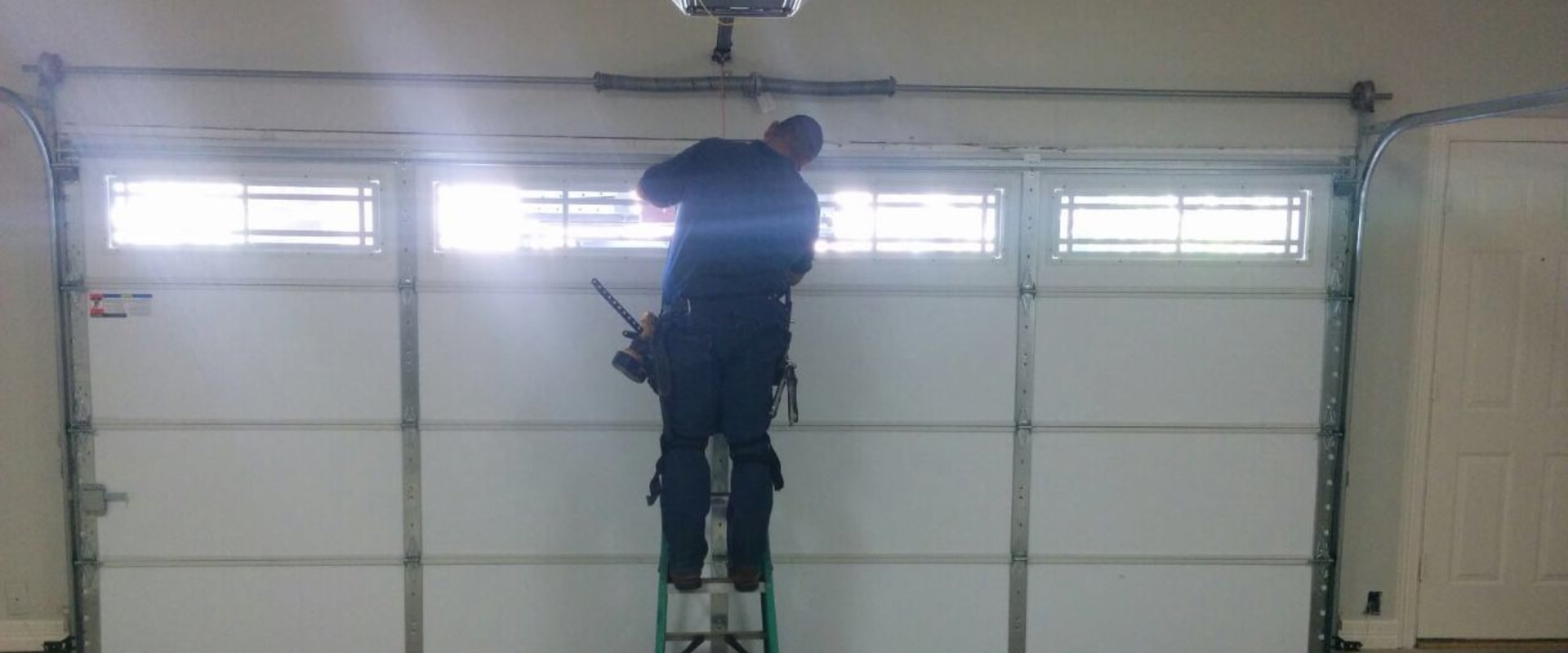
Garage doors are more than just a barrier between your home and the outside world; they are complex systems that rely on various components working in harmony to function effectively. Understanding the basic mechanics of garage doors is essential for homeowners, as it enables them to identify potential issues before they escalate into costly repairs. By familiarizing yourself with how garage doors operate, you can appreciate the importance of regular maintenance and timely interventions. At the heart of every garage door system are several key components, each playing a vital role in its operation. The most critical parts include the door itself , which can be made from materials such as steel, wood, or fiberglass; the garage door opener , which powers the door's movement; and the springs , which counterbalance the door's weight.
Additionally, rollers , tracks , and sensors contribute to smooth operation and safety. Understanding these components will help you recognize when something is amiss. The mechanics of a garage door can be broken down into two primary types: manual and automatic. Manual doors require physical effort to open and close, while automatic doors utilize an electric opener that activates through a remote control or wall switch. Regardless of the type, all garage doors rely on a system of pulleys and cables that work in conjunction with springs to facilitate movement.
This intricate design allows for easy operation while ensuring safety and reliability. By gaining insight into these fundamental mechanics, homeowners can better maintain their garage doors and address minor issues before they lead to significant problems. Regular inspections and understanding how each component functions will not only extend the lifespan of your garage door but also enhance its performance, ensuring it operates smoothly for years to come.
Common Garage Door Problems
Homeowners often encounter a variety of issues with their garage doors, which can lead to frustration and safety concerns. Understanding these common garage door problems is essential for timely repairs and maintenance. Below are some of the most frequent issues that may arise:- Broken Springs: One of the most critical components of a garage door system, springs bear the weight of the door.
Over time, they can wear out or break, leading to a door that won’t open or close properly. If you hear a loud bang or notice that your door is suddenly heavy, it’s likely due to a broken spring.
- Misaligned Tracks: The tracks guide the movement of the garage door. If they become bent or misaligned, the door may get stuck or operate unevenly. Signs of misalignment include grinding noises or the door appearing crooked when closed.
- Malfunctioning Openers: Garage door openers can fail for various reasons, including electrical issues or worn-out gears.
If your remote control isn’t working or the opener makes strange noises without moving the door, it may need repair or replacement.
- Worn Rollers: Rollers help the garage door glide smoothly along its tracks. When they wear out, they can cause the door to become noisy or jerky during operation. Regular inspection and replacement of rollers can prevent further complications.
- Cable Issues: Cables work in conjunction with springs to lift and lower the garage door. If you notice fraying or snapping cables, it’s crucial to address this immediately, as it can lead to a complete failure of the door system.
- Sensor Problems: Modern garage doors are equipped with safety sensors that prevent them from closing on objects or people.
If these sensors are misaligned or dirty, they may not function correctly, causing the door to reverse unexpectedly.
Identifying Signs of Wear and Tear
Regularly inspecting your garage door is crucial for identifying early signs of wear and tear. By being proactive, you can address minor issues before they escalate into costly repairs.Here are some key indicators that your garage door may need attention:
- Unusual Noises: If your garage door starts making strange sounds such as grinding, squeaking, or rattling, it could indicate that components like the rollers or springs are wearing out. Pay attention to these noises during operation, as they can signal the need for lubrication or replacement.
- Slow Response Time: A garage door that takes longer than usual to open or close may be experiencing issues with its opener or tracks. This delay can be a sign of misalignment or a failing motor, both of which require prompt attention.
- Visible Damage: Inspect the door panels for dents, cracks, or rust. Any visible damage can compromise the door's integrity and insulation properties.
If you notice significant wear, consider replacing the affected panels.
- Misalignment: If your garage door appears crooked when closed or doesn’t sit evenly in the opening, it may be misaligned. This can lead to further complications if not addressed quickly.
- Worn Weatherstripping: Check the weatherstripping along the bottom and sides of your garage door. If it’s cracked or missing, it can allow drafts and moisture to enter your garage, leading to potential damage over time.
- Regular Cleaning: Keep the door and tracks clean from dirt and debris. Use a mild detergent and water solution to wash the surface and a vacuum or brush for the tracks.
- Lubrication: Apply lubricant to moving parts such as hinges, rollers, and springs at least twice a year.
This will help reduce friction and prevent wear.
- Check Hardware: Periodically inspect all hardware components for tightness. Loose screws or bolts can lead to misalignment and operational issues.
- Test Safety Features: Regularly test the safety features of your garage door opener, including the auto-reverse function. This ensures that the door will stop closing if it encounters an obstruction.
DIY Garage Door Repairs: When to Attempt and When to Call a Professional
When it comes to garage door repair, homeowners often find themselves at a crossroads: should they attempt to fix the issue themselves or call in a professional? Understanding the scope of the problem is crucial in making this decision. Here’s a guide to help you determine when a DIY approach is appropriate and when it’s best to seek expert assistance.DIY Garage Door Repairs: What You Can Handle
There are several minor repairs that most homeowners can safely tackle with the right tools and a bit of guidance.Here are some common DIY tasks:
- Lubricating Moving Parts: Regularly lubricating the rollers, hinges, and tracks can prevent squeaking and ensure smooth operation. Use a silicone-based lubricant for best results.
- Replacing Weather Stripping: If you notice drafts or water seeping in, replacing worn weather stripping is a simple task that can improve energy efficiency.
- Tightening Hardware: Over time, screws and bolts can loosen. Regularly check and tighten these components to maintain stability.
- Adjusting the Limit Settings: If your garage door doesn’t open or close completely, you may need to adjust the limit settings on your opener. Refer to your opener’s manual for specific instructions.
When to Call a Professional
While some repairs are manageable, others require specialized knowledge and tools.Here are situations where it’s best to call in a professional:
- Broken Springs: Springs are under high tension and can be dangerous to replace without proper training. A professional can safely handle this repair.
- Cable Issues: If you notice frayed or broken cables, it’s crucial to have them replaced by an expert to avoid accidents.
- Opener Malfunctions: If your garage door opener is not functioning correctly, diagnosing the issue may require technical expertise that only a professional possesses.
- Door Alignment Problems: If your door is off track or misaligned, attempting to fix it yourself can lead to further damage. Professionals have the tools and experience needed for proper alignment.
Safety First: Tips for Safe Garage Door Repairs
If you decide to take on a DIY repair, safety should always be your top priority. Here are some essential safety tips:- Wear Protective Gear: Always wear safety glasses and gloves when working on your garage door.
- Disconnect Power: Before starting any repairs, disconnect the power supply to avoid accidental activation of the door.
- Use Proper Tools: Ensure you have the right tools for the job.
Using improper tools can lead to injuries or further damage.
- Work with a Partner: Having someone assist you can provide an extra layer of safety, especially when handling heavy components.
Step-by-Step Guide to Common Repairs
When it comes to garage door repair, understanding how to tackle common issues can save you time and money. Below is a detailed guide on how to fix garage door springs, replace rollers, and troubleshoot opener problems.How to Fix Garage Door Springs
Garage door springs are crucial for the smooth operation of your door.If you suspect a broken spring, follow these steps:
- Safety First: Disconnect the power to the garage door opener and ensure the door is fully closed.
- Gather Tools: You will need a socket wrench, pliers, and a winding bar. Make sure to wear safety goggles and gloves.
- Release Tension: Carefully unwind the spring using the winding bar. This step is critical as springs are under high tension.
- Remove the Old Spring: Unscrew the brackets holding the spring in place and remove it.
- Install the New Spring: Position the new spring in place, secure it with brackets, and wind it according to manufacturer specifications.
- Test the Door: Reconnect the power and test the door's operation. Ensure it opens and closes smoothly.
Replacing Garage Door Rollers
If your garage door is noisy or struggles to open, worn rollers may be the culprit.Here’s how to replace them:
- Prepare Your Workspace: Clear the area around your garage door for easy access.
- Disconnect Power: Unplug the garage door opener for safety.
- Remove Old Rollers: Use a socket wrench to detach the roller brackets from the tracks. Slide out the old rollers carefully.
- Install New Rollers: Insert new rollers into the tracks and reattach the brackets securely.
- Check Alignment: Ensure that all rollers are aligned properly within their tracks before reconnecting power.
- Test Functionality: Plug in your opener and test the door’s movement. It should glide smoothly without any noise.
Troubleshooting Garage Door Opener Issues
If your garage door opener isn’t functioning correctly, follow these troubleshooting steps:- Check Power Supply: Ensure that your opener is plugged in and that there’s power to the outlet.
- Inspect Remote Batteries: Replace batteries in your remote control if necessary.
- Examine Safety Sensors: Make sure that nothing is obstructing the sensors located at the bottom of the door tracks. Clean them if they appear dirty.
- Tighten Hardware: Check all screws and bolts on your opener for tightness; loose hardware can cause operational issues.
- Reset Your Opener: If problems persist, consult your owner’s manual for instructions on resetting your specific model.
Regular maintenance can help prevent many of these problems from occurring in the first place.
Preventative Maintenance Tips for Garage Doors
Maintaining your garage door is essential for ensuring its longevity and smooth operation. Regular preventative maintenance can help you avoid costly repairs and extend the lifespan of your garage door. Here are some effective garage door maintenance tips to keep your door functioning optimally.Regular Inspections
Conducting routine inspections is a crucial step in maintaining your garage door. Aim to check your door at least once a month for any signs of wear or damage.Here are some key areas to focus on:
- Visual Inspection: Look for any visible signs of damage, such as dents, rust, or cracks in the panels.
- Hardware Check: Examine the hinges, brackets, and screws to ensure they are tight and not corroded.
- Spring Condition: Inspect the springs for any signs of wear or breakage. If you notice any issues, contact a professional for repairs.
Cleaning Routines
A clean garage door not only looks better but also functions more efficiently. Dust, dirt, and debris can accumulate on the door and tracks, leading to operational issues. Here’s how to keep your garage door clean:- Wash the Door: Use a mild detergent mixed with water to wash the exterior of the door.
Rinse thoroughly and dry with a soft cloth.
- Clean the Tracks: Remove any debris from the tracks using a vacuum or a damp cloth. Ensure that nothing obstructs the path of the rollers.
- Clear the Sensors: Wipe down the photo-eye sensors with a soft cloth to ensure they are free from dust and dirt.
Lubrication Techniques
Lubrication is vital for keeping your garage door operating smoothly. Proper lubrication reduces friction and wear on moving parts. Follow these steps for effective lubrication:- Use the Right Lubricant: Opt for a silicone-based lubricant or a lithium grease specifically designed for garage doors.
- Lubricate Moving Parts: Apply lubricant to the rollers, hinges, and tracks.
Be careful not to over-lubricate, as this can attract dirt.
- Check the Opener: Don’t forget to lubricate the opener’s chain or screw drive according to the manufacturer’s instructions.
Safety Considerations in Garage Door Repairs
When it comes to garage door repairs, safety should always be the top priority. Garage doors are heavy and operate under significant tension, which can pose serious risks if not handled correctly. Here are some essential safety considerations to keep in mind:- Understand the Mechanism: Before attempting any repairs, familiarize yourself with how your garage door operates.
Knowing the components, such as springs, cables, and rollers, can help you identify potential hazards.
- Use Proper Tools: Always use the right tools for the job. Using makeshift tools can lead to accidents or further damage to the door. Invest in quality tools designed specifically for garage door repairs.
- Disconnect Power: If you are working on an electric garage door opener, ensure that it is unplugged or that the circuit breaker is turned off. This prevents accidental activation while you are making repairs.
- Wear Safety Gear: Protective eyewear and gloves are essential when working on garage doors.
They can protect you from flying debris and sharp edges.
- Never Work Alone: If possible, have someone assist you during repairs. An extra set of hands can be invaluable in case of an emergency.
- Avoid Tension Springs: Garage door springs are under high tension and can cause severe injuries if they snap. If you suspect a spring issue, it’s best to call a professional rather than attempting a DIY fix.
- Check for Obstructions: Before operating your garage door, ensure that the area is clear of any obstructions. This includes vehicles, bicycles, or any other items that could interfere with the door’s movement.
If you encounter issues beyond your expertise or if safety concerns arise, don’t hesitate to seek help from a qualified technician. They have the training and experience necessary to handle complex repairs safely. By following these safety practices, homeowners can significantly reduce the risk of accidents during garage door repairs. Remember that while DIY projects can be rewarding, prioritizing safety ensures that your garage door remains functional without compromising your well-being.
When to Replace Your Garage Door Instead of Repairing It
Deciding whether to repair or replace your garage door can be a challenging decision for homeowners. While repairs can often extend the life of your door, there are specific scenarios where replacement may be the more prudent choice.Understanding the signs that indicate a need for replacement can save you time, money, and frustration in the long run.
Age of the Garage Door
One of the primary factors to consider is the age of your garage door. Most garage doors have a lifespan of 15 to 30 years, depending on the material and maintenance. If your door is approaching or has surpassed this age range, it may be time to consider a replacement. Older doors are more prone to issues such as rust, warping, and mechanical failures, which can lead to frequent repairs.
Condition and Damage
Assessing the overall condition of your garage door is crucial.
Look for signs of significant wear and tear, such as:
- Severe dents or cracks in the panels
- Rust or corrosion on metal doors
- Wood rot on wooden doors
- Worn-out springs or cables
Cost Considerations
When evaluating whether to repair or replace your garage door, consider the costs involved. If repair costs are approaching 50% of the price of a new door, it may be more cost-effective to invest in a new one. Additionally, newer models often come with improved technology and energy efficiency features that can save you money on utility bills over time.
Safety Features
Modern garage doors come equipped with advanced safety features that older models may lack. If your current door does not have features such as automatic reversal systems or enhanced security locks, replacing it could provide peace of mind and better protection for your home.
Increased Home Value
A new garage door can significantly enhance your home's curb appeal and increase its market value.
If you're considering selling your home in the near future, investing in a new garage door could yield a high return on investment. In conclusion, while repairs can be a viable option for many garage door issues, there are clear indicators that suggest replacement is the better route. By evaluating the age, condition, cost implications, safety features, and potential impact on home value, you can make an informed decision that best suits your needs.
Conclusion: Keeping Your Garage Door in Top Shape
In summary, maintaining your garage door is essential for ensuring its longevity and functionality. Throughout this article, we have explored various common issues that can arise with garage doors, such as broken springs, worn rollers, and malfunctioning openers. Each of these problems not only affects the performance of your door but can also pose safety risks if not addressed promptly. Regular maintenance is key to preventing these issues from escalating.Here are some crucial points to remember:
- Routine Inspections: Conduct regular checks on your garage door components, including springs, cables, and tracks. Look for signs of wear and tear or any unusual noises during operation.
- Keep It Clean: Dirt and debris can accumulate in the tracks and on the door itself. Regularly clean these areas to ensure smooth operation.
- Lubrication: Apply lubricant to moving parts such as rollers and hinges to reduce friction and wear. This simple step can significantly extend the life of your garage door.
- Professional Servicing: Schedule annual inspections with a qualified technician.
They can identify potential issues before they become major problems, saving you time and money in the long run.