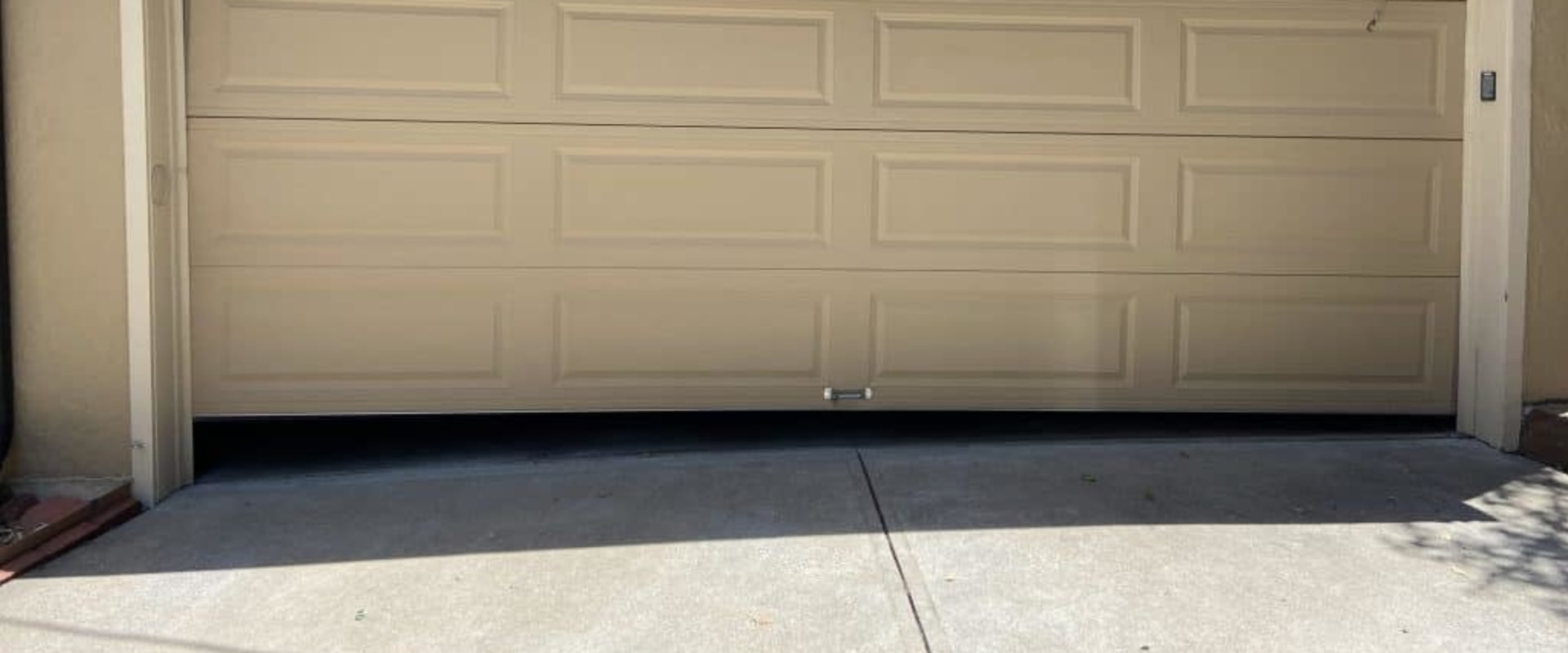
When it comes to home maintenance, garage doors often take a backseat in the minds of homeowners. However, understanding the importance of garage door maintenance is crucial for ensuring the longevity and functionality of this essential component of your home. A well-maintained garage door not only enhances the aesthetic appeal of your property but also plays a significant role in the safety and security of your family and belongings. Regular care can prevent minor issues from escalating into major problems, saving you both time and money in the long run. Many homeowners may not realize that their garage door is one of the most frequently used entry points in their homes.
With daily use, wear and tear are inevitable. This is where professional garage door services come into play. These experts are equipped with the knowledge and tools necessary to perform comprehensive inspections and maintenance tasks that go beyond simple lubrication or visual checks. They can identify potential issues before they become serious, ensuring that your garage door operates smoothly and safely. Moreover, regular maintenance can significantly extend the lifespan of your garage door system.
Just like any other mechanical system, a garage door requires periodic adjustments and care to function optimally. From checking the balance of the door to inspecting the springs and cables, each aspect plays a vital role in its overall performance. By prioritizing garage door care, you not only enhance its efficiency but also contribute to a safer home environment.
Why Regular Maintenance is Crucial
Regular maintenance of your garage door is not just a good idea; it is essential for ensuring safety, saving costs, and extending the lifespan of your door. Ignoring this crucial aspect can lead to a myriad of problems that could have been easily avoided.Safety First
One of the primary reasons to prioritize garage door maintenance is safety.
A malfunctioning garage door can pose serious risks to you and your family. For instance, if the automatic reversing mechanism fails, it may not stop when an object or person is in its path, leading to potential injuries. Regular inspections help ensure that all safety features are functioning correctly, providing peace of mind every time you use your garage.
Cost Savings
Investing in routine maintenance can save you significant amounts of money in the long run. Minor issues, such as worn-out rollers or frayed cables, can escalate into major repairs if left unchecked.
For example, a small misalignment might lead to the need for a complete door replacement if not addressed promptly. By scheduling regular check-ups, you can catch these problems early and avoid costly repairs or replacements.
Longevity of Your Garage Door
A well-maintained garage door can last anywhere from 15 to 30 years, depending on the quality of materials and usage. Regular maintenance not only keeps your door operating smoothly but also helps identify components that may need replacement before they fail completely. This proactive approach ensures that your garage door remains functional and reliable for years to come.
Consequences of Neglect
Neglecting garage door maintenance can lead to a host of issues that affect both functionality and safety.
Common consequences include:
- Increased Repair Costs: What starts as a minor issue can quickly escalate into a major repair job.
- Decreased Property Value: A poorly maintained garage door can detract from your home’s curb appeal and overall value.
- Inconvenience: A malfunctioning garage door can disrupt your daily routine, causing frustration and delays.
- Safety Hazards: As mentioned earlier, neglecting safety features can lead to accidents and injuries.
DIY Maintenance Tips for Homeowners
Maintaining your garage door doesn't have to be a daunting task. With a few simple DIY maintenance tips, homeowners can ensure their garage doors remain in optimal condition, prolonging their lifespan and enhancing safety. Here are some practical steps you can take:- Inspect the Door Regularly: Make it a habit to visually inspect your garage door at least once a month.
Look for any signs of wear and tear, such as rust, dents, or cracks in the panels. Early detection of these issues can prevent more significant problems down the line.
- Check the Hardware: Over time, the hardware on your garage door can become loose. Use a socket wrench to tighten any loose bolts or screws on the tracks, hinges, and rollers. This simple step can significantly improve the door's operation.
- Lubricate Moving Parts: To keep your garage door operating smoothly, apply a silicone-based lubricant to the rollers, hinges, and tracks.
Avoid using grease as it can attract dirt and debris. Regular lubrication helps reduce friction and noise during operation.
- Test the Balance: An unbalanced garage door can lead to premature wear on the opener and other components. To test the balance, disconnect the opener by pulling the release cord and manually lift the door halfway. If it doesn’t stay in place, it may need adjustment.
- Examine the Weather Seal: The weather seal at the bottom of your garage door is crucial for keeping out moisture and pests.
Inspect it for cracks or gaps and replace it if necessary to maintain energy efficiency and protect your garage from the elements.
- Check Safety Features: Ensure that safety features like photo-eye sensors are functioning correctly. Test them by placing an object in the path of the closing door; it should reverse automatically upon contact. Regular checks of these features are vital for family safety.
A little effort goes a long way in ensuring that your garage door remains functional and safe for years to come.
When to Call a Professional for Garage Door Repair
Understanding when to call a professional for garage door repair is crucial for maintaining the safety and functionality of your garage door. While some minor issues can be addressed by homeowners, there are specific scenarios where the expertise of a trained technician is necessary.Signs You Need Professional Help
- Unusual Noises: If your garage door is making strange sounds such as grinding, squeaking, or banging, it may indicate a problem with the rollers, springs, or other components. These noises often signal that something is amiss and should be inspected by a professional.
- Door Won't Open or Close: A garage door that fails to operate properly can be frustrating and may pose a security risk. If your door is stuck or only opens partially, it’s time to call in an expert to diagnose the issue.
- Visible Damage: Cracks, dents, or warping in the door itself can compromise its integrity.
If you notice any physical damage, especially to the springs or cables, it’s essential to seek professional assistance to prevent further complications.
- Frequent Breakdowns: If you find yourself frequently needing repairs or experiencing issues with your garage door, this could indicate an underlying problem that requires a technician's expertise to resolve.
- Safety Sensor Malfunctions: Modern garage doors are equipped with safety sensors designed to prevent accidents. If these sensors are not functioning correctly, it poses a significant safety risk. A professional can ensure they are properly aligned and operational.
When to Hire a Technician
If you encounter any of the above signs, it’s advisable to contact a professional garage door repair service promptly. Attempting to fix complex issues without the right knowledge and tools can lead to further damage or even personal injury.
Professionals have the training and experience necessary to handle repairs safely and effectively. Additionally, if your garage door is older or has not been maintained regularly, scheduling a professional inspection can help identify potential problems before they escalate into costly repairs. Regular maintenance checks by a qualified technician can extend the lifespan of your garage door and ensure it operates smoothly. In summary, knowing when to call for professional help is key to ensuring your garage door remains safe and functional. Don’t hesitate to reach out for expert assistance when you notice any signs of trouble; it’s better to be proactive than reactive when it comes to your home’s safety.
The Role of Safety Features in Garage Doors
When it comes to garage doors, safety features are not just optional add-ons; they are essential components designed to protect your family and property. Understanding the various garage door safety features and ensuring their proper functionality through regular maintenance can significantly reduce the risk of accidents and injuries. One of the most critical safety features in modern garage doors is the automatic reversing mechanism.This system is designed to prevent the door from closing on objects or individuals in its path. If the door encounters resistance while closing, it will automatically reverse direction, allowing for safe passage. Regular testing of this feature is crucial; homeowners should perform a simple test by placing a small object, like a roll of paper towels, in the door's path to ensure it reverses as intended. Another important safety feature is the photoelectric sensor system. These sensors are typically installed near the bottom of the garage door tracks and work by emitting an invisible beam across the opening.
If this beam is interrupted while the door is closing, the sensors signal the door to stop and reverse. Regular maintenance should include checking these sensors for alignment and functionality, as misalignment can lead to failure in detecting obstacles. Additionally, many garage doors come equipped with manual release mechanisms that allow you to operate the door manually in case of power failure. It’s essential to familiarize yourself with this feature and ensure it operates smoothly. Regular checks can help prevent situations where you might be locked out of your garage during an emergency. Furthermore, ensuring that all hardware components, such as springs and cables, are in good condition is vital for overall safety.
Worn or damaged parts can lead to sudden failures that may cause serious injuries or property damage. During routine maintenance, professionals will inspect these components thoroughly and recommend replacements if necessary. In conclusion, prioritizing safety in garage doors through regular maintenance not only protects your family but also enhances the longevity and reliability of your garage door system. By routinely testing safety mechanisms and addressing any issues promptly, you can ensure that your garage door operates safely and efficiently for years to come.
The Cost-Benefit Analysis of Regular Maintenance vs. Repairs
When considering the cost of garage door maintenance, it’s essential to weigh it against the potential expenses associated with repairs.Regular maintenance may seem like an additional expense, but it can save homeowners significant amounts of money in the long run. By investing in routine check-ups and minor adjustments, you can prevent small issues from escalating into major problems that require costly repairs or even complete replacements. To illustrate this point, let’s break down some common maintenance costs versus repair costs:
- Routine Maintenance: A typical annual maintenance service can range from $100 to $200. This usually includes a thorough inspection, lubrication of moving parts, and minor adjustments.
- Repair Costs: In contrast, if a garage door spring breaks due to lack of maintenance, the repair can cost anywhere from $200 to $400. If the entire door needs replacement due to neglect, costs can soar to $1,000 or more.
By spending a relatively small amount on maintenance each year, you can avoid the much higher costs associated with emergency repairs. Additionally, regular upkeep can extend the lifespan of your garage door significantly. Most doors are designed to last 15 to 30 years with proper care; however, neglecting maintenance can reduce this lifespan dramatically. Moreover, regular maintenance not only saves money but also enhances safety. A well-maintained garage door operates smoothly and reduces the risk of accidents caused by malfunctioning components.
This is particularly important for families with children or pets who may be at risk if a door fails unexpectedly. In summary, while the benefits vs costs of repairs may initially seem balanced, a closer examination reveals that regular maintenance is a wise investment. It not only minimizes repair costs but also ensures safety and prolongs the life of your garage door. By prioritizing routine service, homeowners can enjoy peace of mind knowing they are protecting their investment and their family’s safety.
Seasonal Maintenance Checklist for Garage Doors
As the seasons change, so do the demands placed on your garage door. Each season brings unique challenges that can affect the performance and longevity of your garage door system.To ensure your garage door remains in optimal condition throughout the year, it’s essential to follow a seasonal maintenance checklist. Here’s a comprehensive guide to help you prepare your garage door for each season.
Spring Maintenance
- Inspect Weather Seals: Check the weather seals for any signs of wear or damage. Replace them if they are cracked or brittle to prevent moisture and pests from entering your garage.
- Clean Tracks and Rollers: Remove dirt and debris from the tracks and rollers. A clean track ensures smooth operation and reduces strain on the motor.
- Lubricate Moving Parts: Apply a silicone-based lubricant to all moving parts, including hinges, rollers, and springs, to keep them functioning smoothly.
Summer Maintenance
- Check for Overheating: High temperatures can cause components to expand.
Monitor the motor for overheating and ensure it has proper ventilation.
- Test Safety Features: Regularly test safety features such as auto-reverse mechanisms to ensure they are functioning correctly, especially with increased usage during summer activities.
- Inspect Cables: Look for fraying or wear on cables. If you notice any issues, contact a professional for immediate repair.
Fall Maintenance
- Prepare for Winter: As temperatures drop, ensure that all seals are intact to prevent cold air from entering your garage.
- Check Battery Backup: If your garage door opener has a battery backup, test it to ensure it’s fully charged and ready for potential power outages during winter storms.
- Inspect Hardware: Tighten any loose screws or bolts on the door and hardware to prevent issues during winter’s harsher conditions.
Winter Maintenance
- Clear Snow and Ice: Regularly remove snow and ice from around the garage door area to prevent damage and ensure safe operation.
- Monitor Door Operation: Pay attention to how the door operates in cold weather. If it struggles to open or close, it may need professional adjustment.
- Check Insulation: Ensure that your garage door is properly insulated to maintain energy efficiency during colder months.
Conclusion: The Long-Term Benefits of Regular Garage Door Maintenance
In conclusion, the significance of regular garage door maintenance cannot be overstated.As we have explored throughout this article, neglecting this essential aspect of home care can lead to a myriad of problems, ranging from minor inconveniences to major safety hazards. By prioritizing maintenance, homeowners can enjoy a range of long-term benefits that enhance both the functionality and longevity of their garage doors. One of the most compelling reasons to invest in regular maintenance is the potential for cost savings. Routine inspections can identify small issues before they escalate into costly repairs. For instance, a simple adjustment or lubrication can prevent the need for expensive part replacements down the line.
This proactive approach not only saves money but also minimizes the disruption caused by unexpected breakdowns. Moreover, regular maintenance significantly extends the lifespan of your garage door. With proper care, many garage doors can last 15 to 20 years or more. This longevity is achieved through consistent attention to components such as springs, cables, and rollers, which are critical for smooth operation. By ensuring these parts are in good condition, homeowners can avoid premature replacements and enjoy their investment for years to come. Safety is another paramount concern that underscores the importance of maintenance.
Garage doors are heavy and operate under tension; thus, any malfunction can pose serious risks to family members and pets. Regular checks on safety features like automatic reversing mechanisms and emergency release systems ensure that these devices function correctly, providing peace of mind for homeowners. Additionally, maintaining your garage door contributes to the overall aesthetic and value of your home. A well-functioning and visually appealing garage door enhances curb appeal, which is particularly important if you plan to sell your home in the future. Potential buyers are often drawn to properties that show signs of good upkeep. In summary, regular garage door maintenance is an investment in safety, efficiency, and long-term savings.
By scheduling annual inspections and addressing minor issues promptly, homeowners can ensure their garage doors operate smoothly and safely for years to come. Don’t wait until a problem arises; take proactive steps today to protect your home and family.