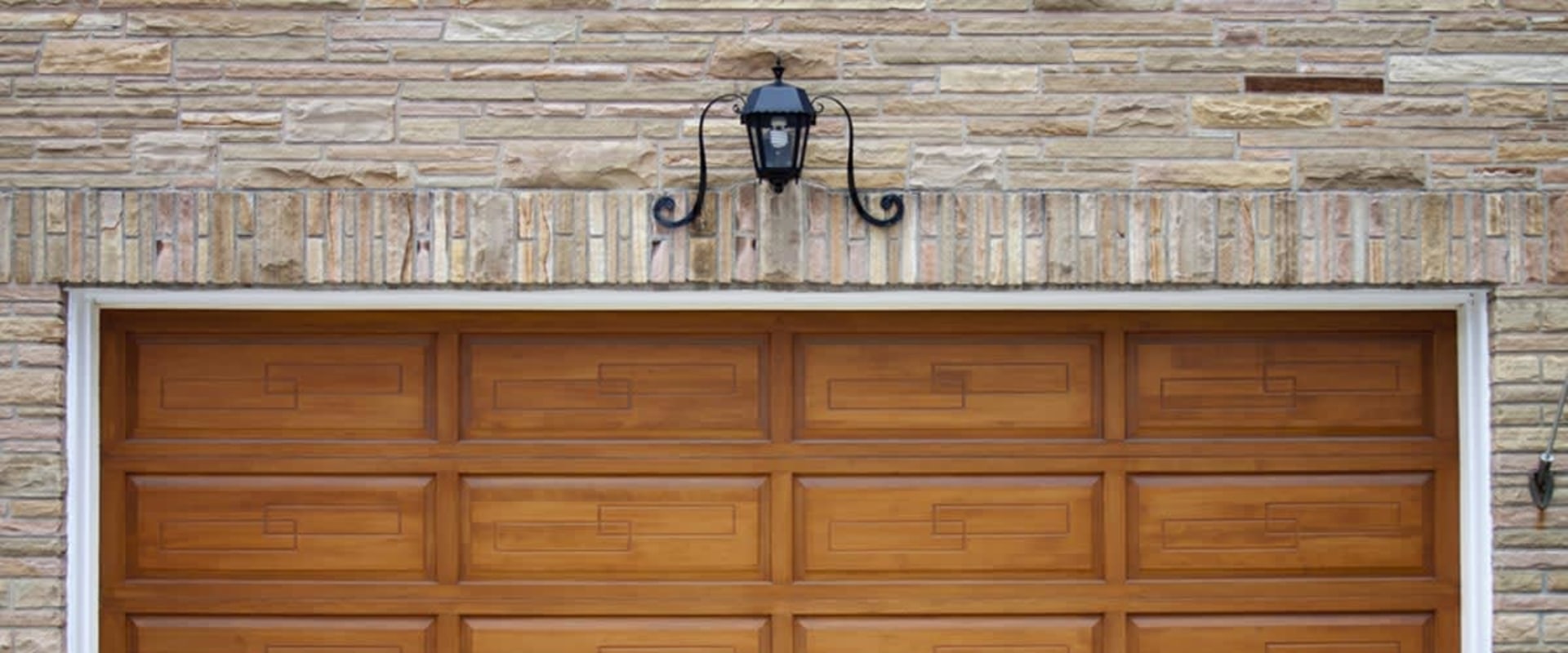
The garage door is often an overlooked aspect of home design, yet it plays a crucial role in the overall aesthetics and functionality of your property. A well-maintained and stylish garage door can significantly enhance your home’s curb appeal, making it more inviting and visually appealing. Conversely, a worn-out or outdated garage door can detract from your home’s appearance, potentially lowering its value in the eyes of prospective buyers. Therefore, understanding the importance of a garage door replacement is essential for any homeowner looking to improve their property. Beyond aesthetics, a new garage door offers numerous benefits that extend to security and energy efficiency.
Modern garage doors are designed with advanced materials and technology that provide better insulation, helping to regulate the temperature inside your garage and adjacent living spaces. This can lead to lower energy bills and a more comfortable environment year-round. Additionally, newer models often come equipped with enhanced security features, such as smart technology that allows you to monitor and control access remotely, providing peace of mind for homeowners concerned about safety. There are several compelling reasons to consider replacing your garage door. If your current door shows signs of wear and tear—such as rust, dents, or operational issues—it may be time for an upgrade.
Not only will a new door improve functionality, but it can also prevent potential safety hazards associated with malfunctioning doors. Furthermore, if you’re planning to sell your home in the near future, investing in a new garage door can yield a high return on investment by attracting buyers who appreciate modern features and enhanced curb appeal. In summary, replacing your garage door is not merely a cosmetic upgrade; it is an investment in your home’s security, energy efficiency, and overall value. As we delve deeper into this guide, you will discover the various factors influencing the decision to replace your garage door and how to navigate the process effectively.
Signs That Indicate It's Time for a Replacement
Recognizing the right time to replace your garage door is crucial for maintaining the safety and functionality of your home. Several signs can indicate that your garage door is no longer performing optimally and may need replacement.Here are some key indicators to watch for:
- Visible Damage: One of the most apparent signs that your garage door needs replacement is visible damage. Look for dents, cracks, or rust on the door's surface. These imperfections not only detract from your home's curb appeal but can also compromise the door's structural integrity.
- Operational Difficulties: If you find yourself struggling to open or close your garage door, it may be time for a replacement. Common issues include doors that stick, require excessive force to operate, or fail to respond to the remote control.
These operational difficulties can stem from worn-out components or misalignment, which may indicate that a replacement is more cost-effective than repairs.
- Excessive Noise: A garage door should operate smoothly and quietly. If you notice loud grinding, squeaking, or banging noises when opening or closing the door, it could be a sign of underlying mechanical issues. While some noise can be addressed with lubrication or minor repairs, persistent loud sounds often suggest that the door's mechanisms are failing and a replacement might be necessary.
- Age of the Door: The age of your garage door plays a significant role in its performance. Most garage doors have a lifespan of about 15 to 30 years, depending on the material and maintenance.
If your door is approaching or exceeding this age range, it may be more prone to issues and less energy-efficient, making replacement a wise investment.
- Security Concerns: A malfunctioning garage door can pose security risks for your home. If you notice that your door does not close completely or has gaps that could allow unauthorized access, it’s essential to address these issues promptly. Upgrading to a new garage door with enhanced security features can provide peace of mind.
Factors Influencing Garage Door Replacement Costs
When considering a garage door replacement, understanding the various factors that influence the overall cost is essential for effective budgeting and planning.Here are the key elements that can significantly impact the cost of a new garage door.
- Size of the Door: The dimensions of your garage door play a crucial role in determining its price. Standard sizes, such as single-car or double-car doors, typically cost less than custom-sized options. A larger door not only requires more material but may also necessitate additional hardware and installation labor, which can further increase costs.
- Material Choices: Garage doors come in various materials, each with its own price range. Common options include:
- Steel: Known for its durability and low maintenance, steel doors are often more affordable but can be prone to rust if not properly treated.
- Wood: Offering a classic aesthetic, wooden doors can be quite expensive due to their craftsmanship and the need for regular maintenance to prevent warping and decay.
- Aluminum: Lightweight and resistant to rust, aluminum doors are a popular choice but may not provide the same level of insulation as other materials.
- Fiberglass: This option mimics the look of wood while being resistant to dents and corrosion, making it a versatile choice that can vary in price.
- Insulation: Insulated garage doors tend to cost more upfront but offer long-term savings on energy bills.
If your garage is attached to your home or used as a workspace, investing in insulation can enhance comfort and reduce heating and cooling costs.
- Design Features: Additional features such as windows, decorative hardware, or custom finishes can elevate the price of your garage door. Windows not only add aesthetic appeal but also increase natural light inside the garage; however, they can add 30-50% to the overall cost.
- Installation Complexity: The installation process can vary based on the type of door and existing infrastructure. If your current setup requires modifications or if you opt for a more complex door style, labor costs may increase accordingly.
This approach will help ensure you receive a fair estimate tailored to your specific needs.
The Role of Insulation in Garage Doors
When considering a garage door replacement, one of the most significant factors to evaluate is the insulation of the door. Insulated garage doors offer numerous benefits that extend beyond mere temperature control. They play a crucial role in enhancing energy efficiency, improving comfort, and even increasing the overall value of your home.Benefits of Insulated Garage Doors
- Energy Efficiency: Insulated garage doors help maintain a stable temperature within the garage, reducing the need for heating or cooling systems to work overtime. This can lead to lower energy bills, especially in regions with extreme weather conditions.
- Comfort: A well-insulated garage can significantly improve the comfort level of adjacent living spaces.
If your garage is attached to your home, the insulation helps prevent cold drafts in winter and keeps the space cooler in summer.
- Noise Reduction: Insulation also acts as a sound barrier, minimizing noise from outside and reducing the sound of the garage door operating. This is particularly beneficial if you use your garage as a workshop or recreational area.
- Increased Durability: Insulated doors are often constructed with sturdier materials, making them more resistant to dents and damage. This durability can extend the lifespan of your garage door.
- Enhanced Security: Many insulated doors are designed with additional security features, making it harder for intruders to break in.
Types of Insulation for Garage Doors
There are several types of insulation used in garage doors, each offering different levels of performance:
- Polystyrene: This rigid foam insulation is commonly used due to its excellent thermal resistance and structural integrity. It provides good insulation while maintaining a lightweight profile.
- Polyurethane: Known for its superior insulating properties, polyurethane foam is injected between the door panels during manufacturing.
This type offers higher R-values (a measure of thermal resistance) compared to polystyrene, making it ideal for extreme climates.
- Reflective or Radiant Barrier: This type of insulation reflects heat away from the garage, making it effective in hot climates. It works best when installed in conjunction with other insulation types.
How to Select a Reliable Contractor for Installation
Choosing the right contractor for your garage door installation is crucial to ensure a smooth process and a high-quality result.With so many options available, it can be overwhelming to find a reliable professional. Here are some essential tips to help you select a trustworthy garage door contractor.
Evaluate Experience and Expertise
Start by looking for contractors who specialize in garage door installations. A contractor with extensive experience in this specific area will be more familiar with the various types of doors, mechanisms, and installation techniques. Ask potential contractors about their years in business and request references from previous clients.A reputable contractor should be willing to provide testimonials or examples of their past work.
Check for Licensing and Insurance
Before hiring a contractor, verify that they are licensed and insured. A valid license indicates that the contractor meets local regulations and standards. Insurance protects you from liability in case of accidents or damages during the installation process. Always ask for proof of both licensing and insurance before proceeding.Compare Quotes
Obtaining multiple quotes is an effective way to gauge the market rate for garage door installation services.When comparing quotes, ensure that each estimate includes a detailed breakdown of costs, including labor, materials, and any additional fees. Be cautious of quotes that seem significantly lower than others; they may indicate subpar materials or rushed work.
Inquire About Warranty and Aftercare
A reliable contractor should offer warranties on both the garage door and the installation work. This warranty provides peace of mind, knowing that you are covered in case of defects or issues that arise after installation. Additionally, ask about their aftercare services, such as maintenance or repair options, to ensure you have support long after the installation is complete.Read Online Reviews
Online reviews can provide valuable insights into a contractor's reputation.Check platforms like Google, Yelp, or Angie's List for customer feedback. Look for patterns in reviews—consistent praise or complaints can help you make an informed decision. Pay attention to how the contractor responds to negative reviews; a professional who addresses concerns shows commitment to customer satisfaction.
Trust Your Instincts
Finally, trust your instincts when selecting a contractor. Communication is key; choose someone who listens to your needs and answers your questions thoroughly.A good rapport with your contractor can lead to a more successful project and a better overall experience. By following these guidelines, you can confidently select a reliable contractor for your garage door installation, ensuring that your investment is well-protected and your home is enhanced with a quality product.
DIY vs. Professional Installation: What You Need to Know
When it comes to replacing your garage door, one of the most significant decisions you'll face is whether to tackle the installation yourself or hire a professional. Each option has its own set of advantages and disadvantages, and understanding these can help you make an informed choice that aligns with your skills, budget, and time constraints.DIY Garage Door Installation
Opting for a DIY garage door installation can be an appealing choice for many homeowners. Here are some of the pros and cons:- Pros:
- Cost Savings: By doing the installation yourself, you can save on labor costs, which can be substantial.
- Flexibility: You can work on your own schedule, allowing for a more convenient installation process.
- Skill Development: Installing a garage door can be a rewarding project that enhances your DIY skills.
- Cons:
- Time-Consuming: Depending on your experience level, the installation process may take longer than anticipated.
- Safety Risks: Garage doors are heavy and can be dangerous if not handled properly.
Improper installation can lead to accidents or injuries.
- Lack of Warranty: Many manufacturers require professional installation to maintain warranty coverage, which could be a risk if issues arise later.
Professional Installation
On the other hand, hiring professionals for garage door installation comes with its own set of benefits and drawbacks:- Pros:
- Expertise: Professionals have the experience and knowledge to ensure that the installation is done correctly and safely.
- Time Efficiency: A professional team can typically complete the job much faster than a DIYer, minimizing disruption to your daily routine.
- Warranty Protection: Many professional installers offer warranties on their work, providing peace of mind in case of future issues.
- Cons:
- Higher Costs: Hiring professionals will increase your overall expenses due to labor fees.
- Lack of Control: You may have less control over the timeline and specific methods used during installation.
Maintenance Tips for Your New Garage Door
Maintaining your new garage door is essential for ensuring its longevity and optimal performance. Regular upkeep not only enhances the door's functionality but also prevents costly repairs down the line.Here are some practical garage door maintenance tips to help you care for your new investment:
- Regular Inspections: Schedule routine inspections of your garage door at least twice a year. Look for signs of wear and tear, such as frayed cables, rusted tracks, or damaged panels. Early detection of issues can save you from more significant problems later.
- Lubrication: Keep all moving parts well-lubricated to ensure smooth operation. Use a silicone-based lubricant on rollers, hinges, and tracks.
Avoid using grease, as it can attract dirt and debris, leading to more friction and wear.
- Clean the Door: Regularly clean your garage door with mild soap and water to remove dirt, grime, and debris. For metal doors, consider applying a coat of car wax to protect the finish and enhance its appearance.
- Check the Weatherstripping: Inspect the weatherstripping at the bottom of the door for any signs of damage or wear. Replacing worn weatherstripping helps maintain energy efficiency by preventing drafts and moisture from entering your garage.
- Test the Door Balance: An unbalanced garage door can strain the opener and lead to premature wear. To test balance, disconnect the opener by pulling the release cord and manually lift the door halfway.
If it stays in place, it’s balanced; if it falls or rises, it may need adjustment.
- Examine Safety Features: Ensure that safety features like photo-eye sensors are functioning correctly. Test them by placing an object in the door's path; it should reverse automatically upon contact.
Frequently Asked Questions About Garage Door Replacement
When considering a garage door replacement, homeowners often have numerous questions. Addressing these frequently asked questions can help clarify the process and alleviate concerns.What are the signs that I need to replace my garage door?
Several indicators suggest it may be time for a replacement:- Visible Damage: Look for dents, cracks, or rust that compromise the door's integrity.
- Operational Issues: If your garage door struggles to open or close smoothly, it may indicate mechanical failure.
- Noisy Operation: Excessive noise during operation can signal worn-out components that may need replacement.
- Age: If your garage door is over 15-20 years old, it might be more cost-effective to replace it rather than repair it.
How much does it cost to replace a garage door?
The cost of replacing a garage door varies widely based on several factors:- Material: Steel, wood, fiberglass, and aluminum each come with different price points.
- Size: Larger doors typically cost more than standard sizes.
- Features: Additional features like insulation, windows, and decorative elements can increase the overall cost.
- Labor Costs: Hiring a professional contractor will add to the total expense, so it's wise to obtain multiple quotes.
Can I install a garage door myself?
While some homeowners may feel confident in their DIY skills, installing a garage door can be complex and requires specific tools.Consider the following:
- Safety Risks: Garage doors are heavy and can cause injury if not handled properly.
- Technical Knowledge: Understanding the mechanics of the door and opener is crucial for a successful installation.
- Warranty Concerns: Many manufacturers void warranties if the door is not installed by a professional.
What maintenance is required after installation?
To ensure longevity and optimal performance of your new garage door, regular maintenance is essential. Here are some tips:- Lubrication: Apply lubricant to moving parts at least once a year to prevent wear and tear.
- Inspection: Regularly check for signs of wear or damage and address issues promptly.
- Cleansing: Keep the door clean from dirt and debris to maintain its appearance and functionality.
Conclusion: Making an Informed Decision on Your Garage Door Replacement
In summary, replacing your garage door is a significant decision that can enhance your home’s aesthetic appeal, improve functionality, and increase security. Throughout this guide, we have explored various aspects of garage door replacement, from understanding the costs involved to recognizing the signs that indicate it’s time for a change. One of the most critical takeaways is the importance of assessing your current garage door's condition. If you notice issues such as visible damage , operational difficulties , or excessive noise during operation, it may be time to consider a replacement.Ignoring these signs can lead to more significant problems down the line, including safety hazards and increased repair costs. When planning for a new garage door, it’s essential to consider various factors that influence the overall cost. These include:
- Material: Different materials come with varying price points and benefits. For instance, steel doors offer durability and security, while wood doors provide a classic look but may require more maintenance.
- Size: The dimensions of your garage will dictate the size of the door you need, which directly impacts pricing.
- Features: Additional features such as insulation, windows, and decorative elements can significantly affect the cost.
This diligence will help you make an informed decision that aligns with your budget and preferences. Ultimately, investing in a new garage door is not just about aesthetics; it’s about enhancing your home’s value and functionality. A well-chosen garage door can provide long-term benefits, including energy efficiency and improved security for your belongings. As you move forward with your decision-making process, remember that taking action sooner rather than later can save you from potential headaches and expenses in the future. Don’t hesitate to reach out to professionals who can guide you through the selection process and installation. Your home deserves a garage door that reflects its character while providing safety and convenience for years to come.