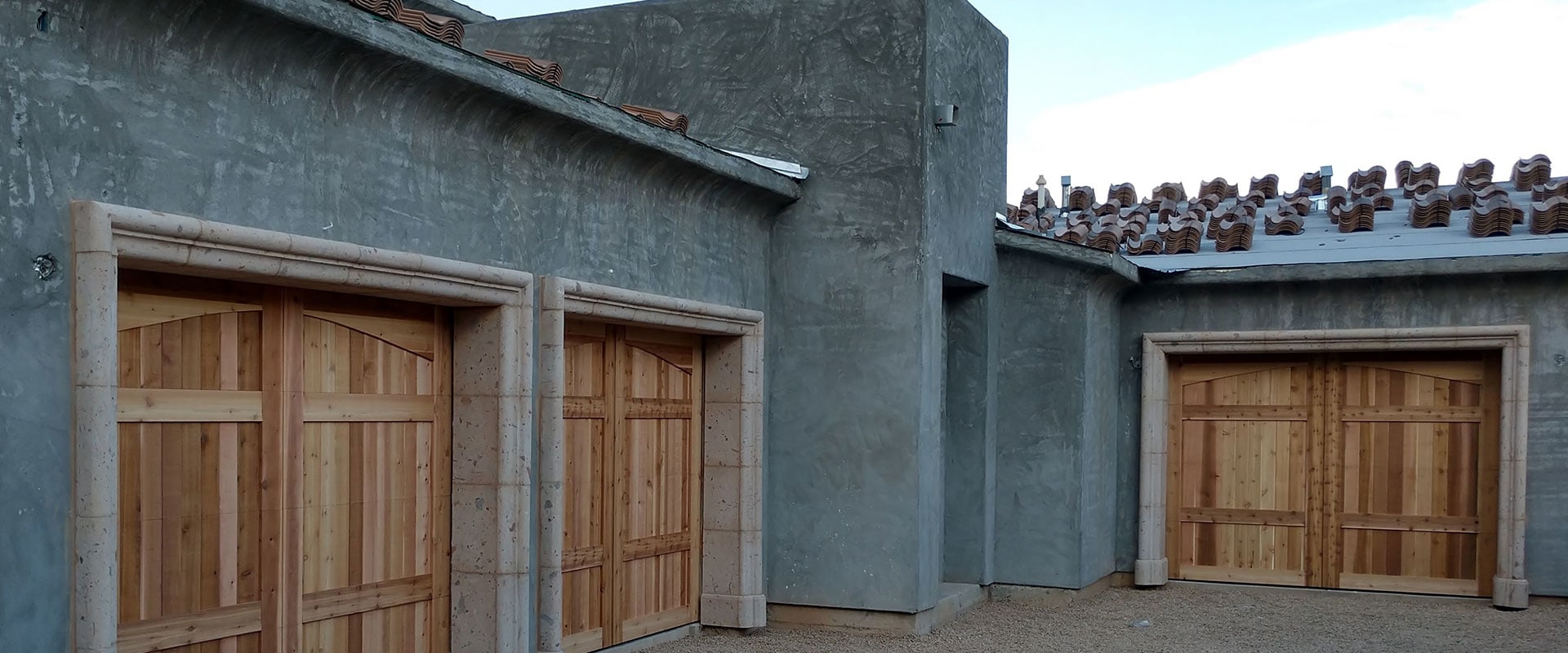
Garage doors are an essential component of any home, providing security, convenience, and aesthetic appeal. Understanding the different types of garage doors and their components is crucial for homeowners, especially when considering whether to repair or replace their existing door. With a variety of styles available, each type of garage door offers unique benefits and functionalities that cater to different needs and preferences. There are several common types of garage doors, including sectional , roll-up , side-hinged , and tilt-up doors. Sectional doors are the most popular choice among homeowners due to their versatility and space-saving design.
They consist of multiple panels that slide up and overhead when opened, making them ideal for homes with limited driveway space. Roll-up doors, often found in commercial settings, are made of slats that roll into a coil above the opening. Side-hinged doors swing open like traditional doors and are typically made from wood or steel, offering a classic look. Tilt-up doors operate by tilting outward before lifting up, providing a straightforward mechanism but requiring more space in front of the garage. In addition to the various types of garage doors, understanding the key components is vital for maintenance and repair considerations.
A typical garage door system includes springs , cables , rollers , and a track. The springs are crucial for counterbalancing the weight of the door, allowing it to open and close smoothly. Cables work in conjunction with the springs to lift the door, while rollers facilitate movement along the track. Each component plays a significant role in ensuring the functionality and safety of the garage door. By familiarizing yourself with these aspects of garage doors, you can make more informed decisions regarding repairs or replacements.
Whether your door is showing signs of wear or simply not functioning as it should, understanding its structure will help you assess whether a repair is feasible or if a replacement is necessary for long-term reliability.
The Importance of Garage Door Maintenance
Regular maintenance of your garage door is essential for ensuring its longevity and optimal performance. Just like any other part of your home, garage doors require attention to function correctly and safely. Neglecting maintenance can lead to costly repairs or even the need for a complete replacement. Here are some garage door maintenance tips that can help you keep your door in top shape:- Inspect Regularly: Conduct a visual inspection of your garage door at least once a month.
Look for signs of wear and tear, such as frayed cables, rusted tracks, or damaged panels.
- Lubricate Moving Parts: Apply a silicone-based lubricant to the rollers, hinges, and tracks every six months. This will reduce friction and prevent wear on these components.
- Test the Balance: Disconnect the opener by pulling the release handle and manually lift the door halfway. If it doesn’t stay in place, it may be unbalanced and require adjustment.
- Check Safety Features: Test the auto-reverse feature by placing an object in the door’s path. The door should reverse upon contact.
If it doesn’t, consult a professional.
- Clean the Tracks: Remove debris from the tracks to ensure smooth operation. Dirt and grime can hinder the door’s movement and lead to malfunctions.
- Extend Lifespan: A well-maintained garage door can last significantly longer than one that is neglected, saving you money in the long run.
- Enhance Safety: Proper maintenance ensures that safety features are functioning correctly, reducing the risk of accidents or injuries.
- Improve Energy Efficiency: A well-sealed garage door can help maintain your home’s temperature, leading to lower energy bills.
- Boost Curb Appeal: A clean and well-functioning garage door enhances your home’s exterior, making it more attractive to potential buyers if you decide to sell.
When to Repair Your Garage Door
Recognizing when your garage door requires repair is essential for maintaining its functionality and ensuring the safety of your home.Ignoring the signs can lead to more significant issues down the line, potentially resulting in costly repairs or even a complete replacement. Here are some common indicators that your garage door may need attention:
- Unusual Noises: If your garage door is making strange sounds such as grinding, squeaking, or rattling, it could indicate a problem with the springs, rollers, or other components. These noises often signal that parts are worn out or misaligned.
- Slow Response Time: A garage door that takes longer than usual to open or close may have issues with its opener or tracks. This delay can be frustrating and may worsen over time.
- Visible Damage: Inspect your garage door regularly for any visible signs of damage, such as dents, cracks, or rust.
These issues can compromise the door's integrity and should be addressed promptly.
- Door Off Track: If your garage door has come off its tracks, it can pose a significant safety risk. This issue often requires immediate professional intervention to prevent further damage.
- Inconsistent Movement: If your garage door opens or closes unevenly, it may indicate problems with the springs or cables. This inconsistency can lead to further complications if not resolved quickly.
- Broken Springs: One of the most common issues is broken springs, which are responsible for lifting the heavy door.
Replacing springs can cost between $150 and $300 depending on the type and size of the door.
- Deteriorating Cables: Cables can fray over time due to wear and tear. Replacing cables typically costs around $100 to $200.
- Malfunctioning Opener: If your garage door opener is not functioning correctly, it may need repair or replacement. Repair costs can range from $100 to $300, while a new opener may cost between $200 and $500.
More complex issues may escalate costs significantly, so it's wise to get multiple quotes from reputable service providers before proceeding with any repairs. By being vigilant about these signs and understanding common issues, you can make informed decisions about when to seek professional help for your garage door repairs.
When to Replace Your Garage Door
Deciding whether to repair or replace your garage door can be a challenging task, especially when considering the long-term implications of each option. There are specific scenarios where opting for a replacement is not only more beneficial but also necessary for the safety and functionality of your home.Signs You Need Garage Door Replacement
Recognizing the signs that indicate a garage door replacement is needed can save you time and money in the long run. Here are some key indicators:- Frequent Breakdowns: If your garage door requires constant repairs, it may be more cost-effective to invest in a new door. Frequent issues can indicate that the door is nearing the end of its lifespan.
- Severe Damage: Visible damage such as large dents, rust, or cracks can compromise the integrity of your garage door.
If the damage is extensive, replacement is often the best option.
- Age of the Door: Most garage doors have a lifespan of 15 to 30 years. If your door is approaching or exceeding this age, it may be time to consider a replacement.
- Increased Energy Costs: Older garage doors may not be well-insulated, leading to higher energy bills. A new, energy-efficient model can help reduce these costs.
- Safety Concerns: If your garage door lacks modern safety features or has outdated technology, replacing it can enhance security and safety for your family.
Benefits of New Garage Doors
Investing in a new garage door comes with numerous advantages that extend beyond aesthetics. Here are some benefits to consider:- Enhanced Curb Appeal: A new garage door can significantly improve the overall look of your home, increasing its curb appeal and potentially its market value.
- Improved Functionality: Newer models often come with advanced features such as smart technology, quieter operation, and better insulation, enhancing convenience and comfort.
- Increased Security: Modern garage doors are designed with improved locking mechanisms and materials that provide better security against break-ins.
- Energy Efficiency: New doors often feature better insulation properties, which can help maintain your home's temperature and reduce energy costs.
Cost of Garage Door Replacement
The cost of replacing a garage door varies widely based on several factors including materials, size, and installation complexity.On average, homeowners can expect to pay between $500 and $2000 for a new garage door. Here’s a breakdown of potential costs:
- Material Costs: Steel doors are typically more affordable, while wood or custom doors can be significantly more expensive.
- Installation Fees: Professional installation usually ranges from $200 to $500 depending on the complexity of the job and local labor rates.
- Add-ons: Features such as windows, decorative hardware, or smart technology can increase the overall cost but may provide additional benefits.
Cost Comparison: Repair vs Replacement
When considering whether to repair or replace your garage door, understanding the cost implications of each option is crucial. This section will provide a comprehensive analysis of the costs associated with both garage door repairs and replacements, helping you make an informed decision.Garage Door Repair Costs
The cost of repairing a garage door can vary significantly based on several factors, including the type of damage, the parts that need replacement, and labor costs. On average, homeowners can expect to pay:- Basic Repairs: For minor issues such as broken springs or cables, costs typically range from $150 to $350.
- Moderate Repairs: More complex repairs, like replacing panels or tracks, can cost between $200 and $1,000.
- Labor Costs: Labor charges can vary widely; some companies may offer flat rates while others charge hourly.
Expect to pay around $50 to $100 per hour for professional services.
Garage Door Replacement Costs
If your garage door is beyond repair or you wish to upgrade, replacement is the way to go. The costs associated with replacing a garage door include:- New Garage Door: Prices for new doors can range from $500 to $2,000 depending on materials and design. For instance, a basic single-car steel door may cost around $800, while custom wood doors can exceed $2,000.
- Installation Costs: Professional installation typically adds another $200 to $500 to your total expenses. The complexity of the installation can influence this cost.
Cost Analysis: Repair vs Replacement
The decision between repairing and replacing your garage door should be based on a thorough cost analysis.If the repair costs are significantly lower than the replacement costs and the door is relatively new with minimal issues, repairing is often the most economical choice. However, if your garage door is old and requires frequent repairs, investing in a new door may save you money in the long run by reducing ongoing maintenance costs. Ultimately, evaluating both options in terms of immediate expenses and long-term value will guide you toward the best decision for your home and budget.
Factors Influencing Your Decision
When faced with the decision of whether to repair or replace your garage door, several critical factors come into play. Understanding these elements can help you make a more informed choice that aligns with your budget and long-term goals.Age of the Garage Door
The age of your garage door is a significant factor in determining whether to repair or replace it. If your door is relatively new, typically less than 10 years old, and has only minor issues, repairing it is often the most economical choice.However, if your garage door is older and has begun to show signs of wear and tear, such as rust, warping, or frequent malfunctions, replacement may be the better option. An aging door may not only require more frequent repairs but could also lack modern safety features and energy efficiency standards.
Extent of Damage
Another crucial consideration is the extent of the damage. Minor issues like a broken spring or a malfunctioning opener can usually be repaired without much hassle. In contrast, significant damage—such as a severely dented panel or a compromised structure—might indicate that replacement is necessary.Assessing the overall condition of the door can help you determine if it’s worth investing in repairs or if it’s time for an upgrade.
Home Value Impact
Your garage door plays a vital role in your home’s curb appeal and overall value. If you plan to sell your home in the near future, investing in a new garage door can significantly enhance its attractiveness to potential buyers. A modern, aesthetically pleasing garage door can increase your home’s market value by improving its first impression. On the other hand, an old or damaged garage door may deter buyers and lead to lower offers.Cost Considerations
While repairs are generally less expensive than replacements, it’s essential to consider the long-term costs associated with each option.Frequent repairs can add up over time, potentially surpassing the cost of a new door. Additionally, newer models often come with warranties and improved energy efficiency, which can save you money on utility bills in the long run.
Personal Preference and Lifestyle
Your personal preferences and lifestyle also play a role in this decision. If you value convenience and low maintenance, investing in a new garage door with advanced features like smart technology may be worthwhile. Conversely, if you have a sentimental attachment to an older model or are on a tight budget, repairing might be more appealing. In summary, evaluating the age of your garage door, the extent of any damage, its impact on home value, cost considerations, and personal preferences will guide you toward making the best decision between repair and replacement.DIY vs Professional Help: What You Need to Know
When it comes to garage door repair, homeowners often face a critical decision: should they attempt to fix the issue themselves or hire a professional? Both options have their advantages and disadvantages, and understanding these can help you make an informed choice.Pros of DIY Garage Door Repair
- Cost Savings: One of the most significant benefits of DIY repairs is the potential for cost savings.
By handling the repair yourself, you can avoid labor costs associated with hiring a professional.
- Flexibility: DIY repairs allow you to work on your schedule. You can take your time to assess the problem and implement a solution without being constrained by a contractor's availability.
- Learning Experience: Tackling a garage door repair can be an educational experience. You gain hands-on knowledge about your garage door system, which can be beneficial for future maintenance.
Cons of DIY Garage Door Repair
- Safety Risks: Garage doors are heavy and can be dangerous if not handled properly. Improper repairs can lead to serious injuries or accidents, especially when dealing with springs and cables that are under high tension.
- Lack of Expertise: Unless you have experience with garage door systems, you may not fully understand the complexities involved in repairs.
This lack of knowledge can lead to ineffective solutions or further damage.
- Time-Consuming: While DIY repairs may seem straightforward, they can often take longer than anticipated, especially if you encounter unexpected issues or complications.
The Case for Hiring a Professional
While DIY repairs have their appeal, hiring a professional for garage door repair offers several advantages that can outweigh the benefits of going it alone:- Expertise and Experience: Professionals have extensive training and experience in handling various types of garage door issues. They can quickly diagnose problems and implement effective solutions.
- Safety Assurance: Professionals are equipped with the right tools and safety gear to handle repairs safely. This reduces the risk of injury and ensures that the job is done correctly.
- Warranty and Guarantees: Many professional services offer warranties on their work, providing peace of mind that if something goes wrong after the repair, they will address it at no additional cost.
Frequently Asked Questions (FAQs)
When it comes to garage door repair, many homeowners have questions that arise from their experiences or concerns.Below are some of the most frequently asked questions regarding garage door repairs and replacements, along with detailed answers to help you make informed decisions.
What are the most common issues that require garage door repair?
Several problems can affect the functionality of your garage door. Some of the most common issues include:- Broken Springs: Garage doors rely on springs for lifting and lowering. If a spring breaks, the door may not open or close properly.
- Misaligned Tracks: If the tracks that guide the door become misaligned, it can cause the door to jam or operate unevenly.
- Faulty Openers: Issues with the garage door opener, such as electrical failures or worn-out gears, can prevent the door from functioning.
- Deteriorated Weather Stripping: Over time, weather stripping can wear out, leading to drafts and energy loss.
How can I troubleshoot my garage door before calling a professional?
If you're experiencing issues with your garage door, there are a few troubleshooting steps you can take:- Check the Power Source: Ensure that your garage door opener is plugged in and that there are no blown fuses or tripped circuit breakers.
- Inspect the Remote Control: Replace the batteries in your remote control and ensure it is functioning properly.
- Examine the Tracks: Look for any debris or obstructions in the tracks that may be causing the door to jam.
- Test the Springs: If you notice a broken spring, do not attempt to fix it yourself; contact a professional immediately.
How often should I have my garage door serviced?
Regular maintenance is key to prolonging the life of your garage door. It is recommended to have your garage door serviced at least once a year.During this service, a professional will inspect all components, lubricate moving parts, and make any necessary adjustments to ensure smooth operation.
Is it worth repairing an old garage door?
The decision to repair an old garage door depends on several factors, including its age, condition, and your long-term plans for your home. If the door has minor issues and is relatively new, repairs may be worthwhile. However, if it has multiple problems or is nearing the end of its lifespan, investing in a new garage door could be more cost-effective in the long run. If you have further questions about garage door repair, don’t hesitate to reach out to a local professional who can provide tailored advice based on your specific situation.Conclusion: Making an Informed Decision
In conclusion, the decision between garage door repair and replacement is not merely a financial one; it encompasses various factors that can significantly impact your home and lifestyle. Throughout this article, we have explored the costs associated with both options, the extent of damage that may dictate your choice, and the importance of professional assistance. When considering garage door repair , it is essential to assess the specific issues at hand.Minor damages, such as a broken spring or misaligned track, often warrant a repair approach, which can save you money while extending the life of your existing door. On average, repairs can range from $150 to $350, making them a budget-friendly option for many homeowners. Conversely, if your garage door is older and has multiple issues or if it has sustained significant damage, replacement may be the more prudent choice. A new garage door not only enhances the aesthetic appeal of your home but can also improve energy efficiency and security. The investment in a new door typically ranges from $500 to $2000, depending on materials and design. Additionally, consider the age of your garage door.
If it is nearing the end of its lifespan or has been subject to frequent repairs, investing in a new model could save you from ongoing maintenance costs in the future. Furthermore, a modern garage door can increase your property’s value and curb appeal, which is particularly beneficial if you plan to sell your home. Ultimately, the choice between repair and replacement should be made after careful consideration of all these factors. We recommend consulting with a professional who can provide insights tailored to your specific situation. A qualified technician can evaluate the condition of your garage door and help you weigh the pros and cons of each option. In summary, whether you opt for garage door repair or replacement, make sure to conduct thorough research and seek expert advice.
This will ensure that you make an informed decision that aligns with your budgetary constraints and long-term goals for your home.